The Future of Pain Management Research: Reducing Opioid Dependency
Last Updated
You've probably heard of someone using cannabis to reduce pain or inflammation, but how does cannabis actually work with the body to reduce inflammation and ultimately pain for consumers?
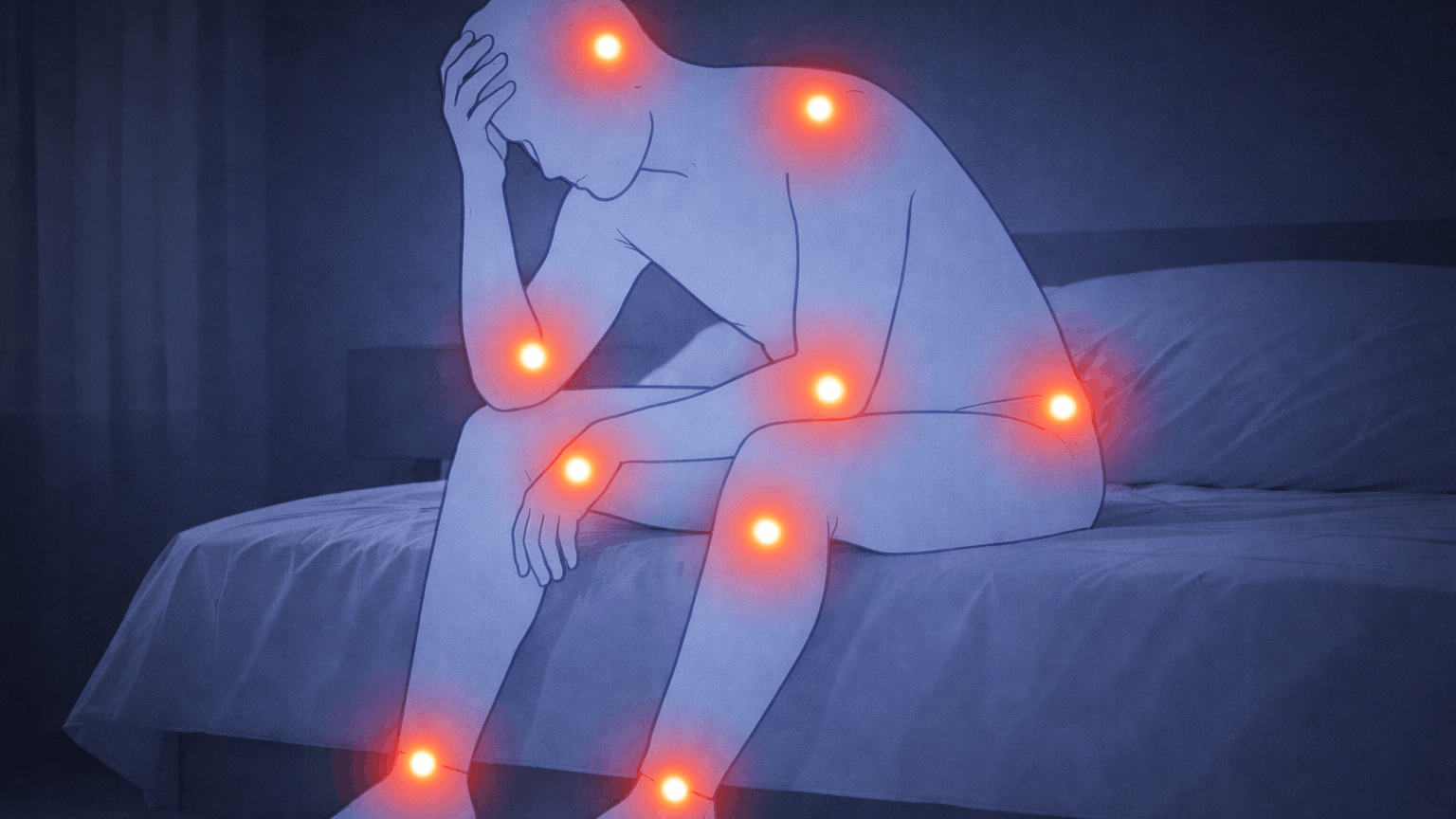
Chronic pain is a pervasive and debilitating condition that affects millions of adults, leading to significant reductions in quality of life, increased healthcare costs, and substantial economic burdens from lost productivity. For many, traditional treatments like opioids provide relief but come with high risks of addiction, overdose, and long-term side effects. The recent executive order expediting the rescheduling of cannabis from Schedule I to Schedule III under the Controlled Substances Act represents a turning point for research in pain management. As a pharmacist with expertise in clinical research and cannabis therapeutics, I’ve seen how regulatory constraints have historically limited our ability to explore natural alternatives fully. This change removes key barriers, enabling a new era of studies that could transform how we approach pain.
Under Schedule I, cannabis was classified alongside substances deemed to have no medical value and high abuse potential, severely restricting access to quality research materials and complicating trial approvals. Now, as a Schedule III substance, it joins categories with acknowledged medical utility, allowing for more streamlined investigations into its mechanisms and applications. This shift is particularly timely amid the ongoing opioid epidemic.
Organizations have long advocated for expanded research, noting that preliminary evidence points to cannabinoids’ potential to offer effective pain relief with a more favorable safety profile compared to opioids. Cannabis may be associated with a reduction in opioid use for chronic pain patients, although this effect varies across different studies. [^4]
There is potential here: bigger trials, more diverse groups of participants, and a better understanding of how cannabinoids work with our body’s endocannabinoid system (ECS) to manage pain. Researchers can explore questions they could not before, like the long-term effects of opioid addiction and how cannabinoids might work alongside other treatments. For scientists, this opens up opportunities to speed up discoveries that could help create more reliable treatments and reduce our dependence on addictive medications. For patients, this could mean safer, more effective options supported by well-researched studies.
There is excitement around this, and it is not without reason. We have seen progress, starting from the early 90s with discoveries about ECS receptors, to more recent studies showing how cannabis can help with pain. However, the real potential is just getting started. Now that the rules are changing, researchers can do the in-depth work needed to confirm and improve these findings. In the upcoming sections, we will explore where the research stands, what new directions are emerging, and how all of this could impact pain management. This is a huge step forward that could lead to breakthroughs to help millions of people.
Fast Facts
- Chronic pain impacts millions of adults, contributing to significant economic costs from healthcare and lost work. [^2]
- Foundational studies show cannabinoids binding to ECS receptors can influence pain signals. [^1]
- More research is needed to understand how cannabis might lower opioid use in chronic pain cohorts. [^5]
- Research barriers prior to cannabis rescheduling limited trials to small samples; now, more diverse populations can be studied. [^2]
- Advocacy organizations note early evidence for fewer side effects with cannabinoids compared to traditional opioids. [^4]
- Research on ECS modulation for inflammation has increased, setting the stage for more focused trials on pain. [^3]
Current Evidence and Gaps
Right now, there’s a lot of exciting research on cannabis and its role in managing chronic pain, but there are still plenty of gaps that need to be addressed. We’ve known since the late 1900s that THC (the main psychoactive compound in cannabis) works by activating CB1 receptors in the body’s endocannabinoid system (ECS), which helps block pain signals in the brain and spinal cord. Early animal studies showed that cannabis could help with both inflammatory pain and nerve pain, and we’ve built on that in human studies.
More recent research has confirmed that medical cannabis does provide relief for chronic pain in adults, and there’s a solid body of evidence supporting this. [^3] State medical cannabis programs show that people report better functionality and a higher quality of life when they use cannabis.
When it comes to opioid use, the evidence is getting stronger. A lot of studies show that people who start using cannabis to treat their pain often reduce or even stop using opioids, likely because the cannabis makes their pain more manageable and causes fewer side effects. [^5] There’s even evidence suggesting that places where cannabis use is legalized see a decline in opioid prescriptions and fewer opioid-related hospital visits. [^2] Some studies also suggest that cannabis could help ease opioid withdrawal symptoms when patients are trying to taper down their opioid use. [^4]
But even though the evidence is growing, there are still some big gaps in the research. For one, most studies are short-term (usually just 4–12 weeks) and involve small groups of people, so the results may not apply to the larger population. Plus, there’s not enough data on what happens over the long-term, like whether cannabis provides lasting pain relief or whether it causes other issues, like developing a tolerance to its effects. Preclinical studies on terpenes (compounds found in cannabis like beta-caryophyllene, which has anti-inflammatory properties) show potential, but we don’t yet have strong evidence in humans. [^3]
On top of all that, studies use different methods, like varying ratios of cannabinoids or different delivery methods (e.g., smoking vs. edibles), making it harder to compare findings. The early research gives us some good insights, but we need standardized practices in future studies to really figure out how cannabis can help people reduce opioid use and manage pain safely. [^5]
Adverse Effects of Cannabis in Chronic Pain Management
While cannabis can definitely help with chronic pain, it’s important to remember that it’s not all sunshine and rainbows. Some people experience coordination issues that make tasks such as driving or operating heavy equipment challenging. Long-term use can also lead to dependence, which means that some individuals may find it hard to stop using cannabis without going through withdrawal. While this doesn’t happen to everyone, it’s still something worth considering. [^5]
Cannabis use can also increase pain sensitivity in some cases, which might sound counterintuitive, but it’s a real issue. This means that instead of feeling better, some people might actually feel worse. [^5] On top of that, using cannabis over time can affect your memory, attention, and reaction time, which can make day-to-day activities harder. [^5] These effects can be even worse if you’re combining cannabis with other meds, like opioids, which also mess with your thinking and coordination. [^6]
More serious side effects, like anxiety, depression, or even psychosis, are rarer but still worth mentioning. Higher doses of THC, especially, seem to be linked with more severe anxiety or, in extreme cases, psychotic episodes. [^6] So, it’s really important for doctors to carefully consider the risks and benefits when recommending cannabis, especially for patients who are also using opioids. [^5]
Placebo Response in Pain Management Trials
When it comes to testing how well cannabis works for chronic pain, one major issue is the placebo effect. Essentially, some people feel better just because they believe they’re getting a treatment, even if it’s not doing anything. This is especially true in pain studies, where patients are often asked to rate their pain, and that’s a pretty subjective measure. Studies show that 30-40% of people in pain trials can experience relief just from the power of expectation. [^6]
This makes it tricky to figure out if cannabis is really helping or if the improvements are just in people’s heads. For example, one study showed that 35% of pain reduction could be chalked up to the placebo effect, even when patients weren’t actually getting the active treatment. [^5] So, it’s clear that the way people expect a treatment to work can have a huge impact on how they feel about it.
To get more accurate results, future studies need to be more careful about controlling for the placebo effect. This means using things like randomized, double-blind, placebo-controlled trials to make sure the results are as reliable as possible. [^5] That way, researchers can figure out if cannabis really works or if it’s just all in the patient’s mind. And, as more objective pain measurement tools like neuroimaging are used, we can get clearer insights into how cannabis really affects pain. [^5]
Future Research Directions
Pain management research is about to undergo a huge transformation, especially now that cannabis is more accessible after being rescheduled from Schedule I to Schedule III. This change opens up a world of opportunities for scientists to run bigger and more diverse trials on how cannabis can help with chronic pain and reduce opioid use. Researchers are now able to dig deeper into how specific cannabinoid combinations might work together to provide better pain relief, without the high or psychoactive effects that THC sometimes causes.
A major focus will be on opioid reduction. We’re likely to see more studies exploring how cannabis could help lower opioid doses safely. Some trials might even use biomarkers, like inflammatory cytokines (molecules that signal inflammation), to measure how well cannabis is working to reduce pain objectively. [^5] There’s already some evidence showing that places with more legal cannabis have lower overdose rates, which suggests that access to cannabis could reduce opioid use. [^5]
Another exciting area of research is terpene studies. Terpenes, like beta-caryophyllene, could make cannabis even more effective at reducing pain by targeting the CB2 receptors, which help control inflammation. If cannabis can be paired with these compounds, it could open up tailored treatments for specific pain conditions. Now that cannabis is rescheduled, we can look forward to multi-center studies testing these ideas in real-world settings. This could make cannabis a reliable option for opioid tapering. [^3]
Advocacy groups are also pushing for more inclusive research that addresses pain management for underserved populations. Overall, the future of cannabis research looks promising, and these directions will help close the gap between what we know about cannabis and how we can use it safely and effectively in pain management. [^2]
Condition-Specific Applications
Future research will likely tailor cannabis investigations to specific pain conditions, offering targeted insights that could revolutionize treatment. For neuropathic pain, often resulting from nerve damage in diabetes or chemotherapy, trials could expand on evidence where THC: CBD formulations reduced intensity in multiple sclerosis patients. [^1] Research suggests exploring CB2-selective cannabinoids to avoid central side effects, building on preclinical data demonstrating their potential for nerve regeneration.
Inflammatory pain, such as in rheumatoid arthritis, stands to benefit from CBD’s immune-modulating properties. Trials might explore its ability to suppress pro-inflammatory cytokines. For musculoskeletal pain, like chronic low-back issues, data suggest cannabis improves function without heavy sedation, informing future protocols for occupational injuries.
Opioid adverse event mitigation is a cross-cutting theme. Research shows veterans in programs halving opioid doses with fewer withdrawals, suggesting cannabis could ease symptoms during tapering. [^4]
For post-surgical pain, studies might investigate acute cannabinoid interventions to prevent chronic development. In fibromyalgia, where widespread pain defies standard treatments, future work could refine multisymptomatic relief.
These applications, informed by a mix of foundational ECS science and recent clinical trends, position cannabis research to deliver precise, evidence-based solutions for diverse pain profiles.
Challenges and Ethical Considerations
While there’s a lot of excitement around cannabis and its potential for pain management, there are some real challenges and ethical considerations we need to face to make sure things move in the right direction. One major issue is the lack of diversity in studies. Many trials don’t include enough people from different backgrounds, such as minority groups or older adults. This can lead to biased results that don’t apply to everyone. So, there’s a big push for research to include a more diverse group of participants to ensure the findings are generalizable. [^5]
Another issue is long-term safety monitoring. Studies have shown that, over time, people using cannabis could develop a tolerance, meaning they might need more of it to get the same effects. Future studies will need to follow patients over a longer period to understand any risks, like dependency or interactions with other medications. [^3] Patient-centered outcomes should also be a priority — we need to know not just if cannabis works for pain but also how it affects a patient’s overall quality of life. [^4]
Funding for cannabis research has also been a big obstacle, but with the rescheduling, it’s opening up new funding opportunities from both public and private sources. More transparent trial reporting will help build public trust and keep the research moving forward. As we work through these challenges, we might also see some creative solutions, like using AI to help analyze data more efficiently and ethically. [^5]
Frequently Asked Questions
- What could future trials reveal about opioid alternatives?
Trials may uncover how cannabinoids reduce opioid needs, building on current cohort data, with detailed mechanisms like ECS modulation for sustained relief. [^4] - How might research improve pain relief without side effects?
Studies could explore optimized cannabinoid ratios that minimize adverse events, guided by evidence on low-THC options for effective, non-sedating analgesia. [^1] - What participation opportunities exist in pain trials?
Individuals can search platforms for ongoing studies, which often seek diverse volunteers to test new pain protocols. - How long until research leads to new treatments?
Timelines could be shortened to 3–5 years for advanced trial results, accelerating the translation of foundational science into applied therapies. - What biomarkers might trials use for pain?
Future investigations may track inflammatory markers like cytokines to validate cannabis’s effects on pain pathways. - Can trials address specific pain types like neuropathic?
Yes, focused research could refine approaches to neuropathy, building on evidence demonstrating reductions in pain in similar conditions. [^1] - How do I stay updated on pain research?
Follow updates from reputable sources that provide insights on emerging trial news and findings. [^2]
The bottom line
The future of pain management research holds extraordinary promise, particularly in reducing opioid dependency and enhancing patient outcomes. By leveraging a robust mix of foundational and emerging evidence, upcoming trials can bridge critical gaps, offering safer, more effective alternatives to traditional therapies. This shift not only addresses the opioid crisis but also empowers a new generation of evidence-based care.
As we move forward, staying informed through reputable sources and considering participation in studies can accelerate progress. The potential to transform lives is immense; let’s embrace this era of innovation with optimism and rigor.