Neuroprotection Breakthroughs: Future Cannabis Research for Cognitive Health and Brain Disorders
Last Updated
Cognitive health and brain disorders pose one of our most pressing challenges, with conditions like dementia and Alzheimer’s disease affecting millions, straining healthcare systems globally.
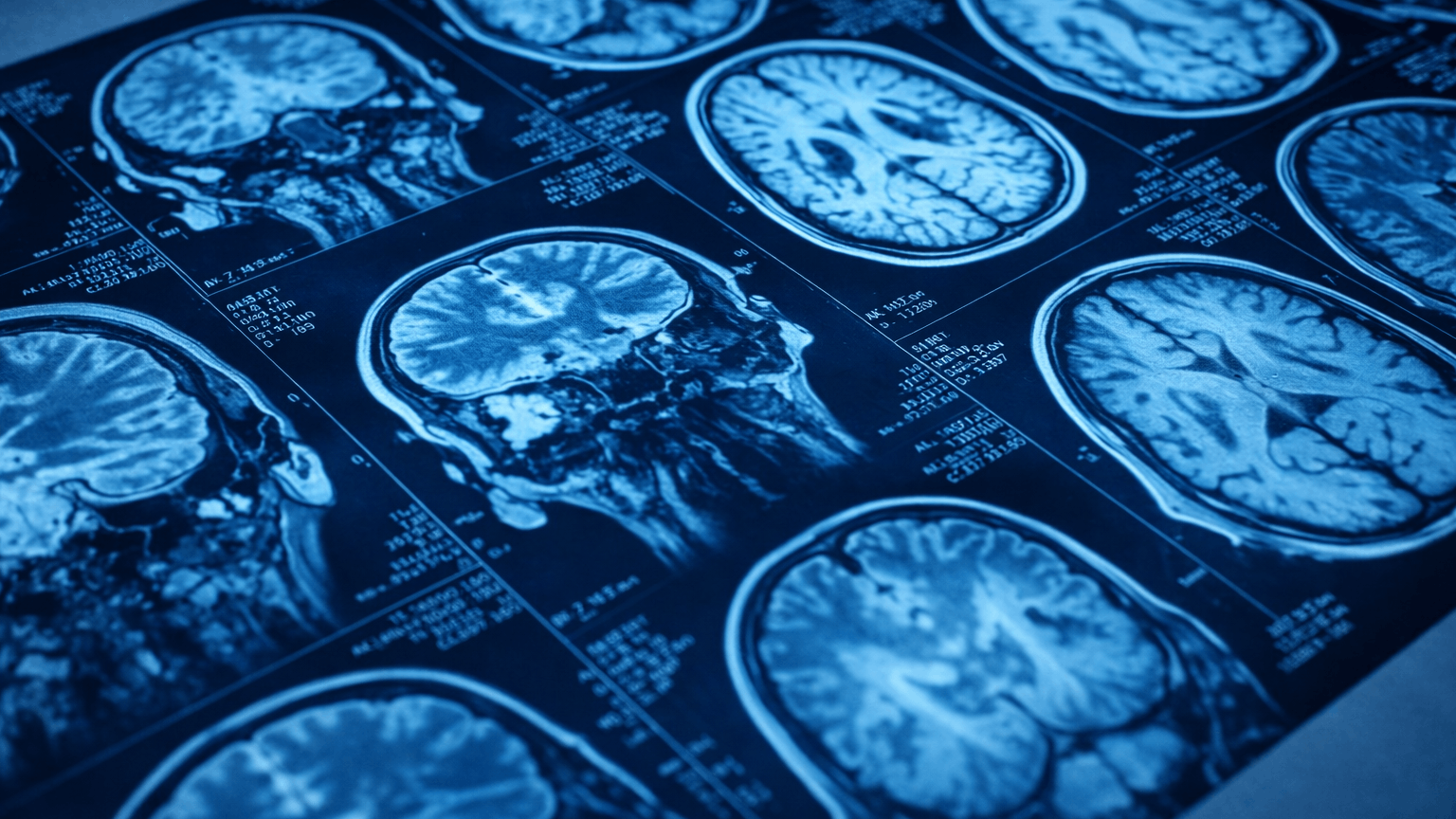
Cognitive health and brain disorders pose one of the most pressing challenges of our time, with conditions like dementia and Alzheimer’s disease affecting millions and straining healthcare systems globally. As a pharmacist with expertise in clinical research and cannabis therapeutics, I’ve observed how emerging studies on neuroprotective mechanisms spark genuine excitement for potential advancements in this field. The growing body of evidence suggests cannabis could play a role in safeguarding brain function, offering hope for preventive and therapeutic strategies.
Dementia, encompassing a range of progressive cognitive impairments, impacts over 55 million people worldwide, with projections reaching 139 million by 2050. [^1] In the U.S., Alzheimer’s—a leading form of dementia—affects 6.7 million adults aged 65 and older, expected to nearly triple to 13.8 million by 2060. [^2] These statistics underscore the urgency, as dementia not only erodes memory and independence but also incurs annual costs exceeding $1 trillion globally. [^3] Broader issues like traumatic brain injury (TBI) and chronic traumatic encephalopathy (CTE) add to the burden, particularly among athletes and veterans, with TBI alone affecting 2.5 million Americans yearly. [^4]
Foundational research on the endocannabinoid system (ECS) provides a biological foundation, revealing how cannabinoids interact with CB1 and CB2 receptors to modulate neuroinflammation and oxidative stress. [^5] Recent 2024 veteran data highlights practical applications, showing cognitive improvements in those with PTSD-related impairments. [^6] Insights from NIH experts emphasize ECS’s role in synaptic plasticity, guiding future explorations. [^7]
According to Project CBD, research suggests that cannabinoids are safe for brain protection, and they’re pushing for more studies focused on long-term brain health. This article dives into the current research, what’s coming next, and how cannabis could be used for specific conditions like dementia and Alzheimer’s. We’ll also touch on TBI and CTE, along with the challenges and practical questions researchers are facing. By looking at both the basics and the latest studies, we can start to see how future trials might open up new possibilities for improving brain health.
Hytiva cross-ref: See “CBD and Its Potential to Treat or Address Alzheimer’s and Dementia” for detailed ECS insights on dementia.
Fast Facts
- Dementia affects 55 million globally, projected to reach 139 million by 2050. [^1]
- Alzheimer’s impacts 6.7 million U.S. seniors, tripling to 13.8 million by 2060. [^2]
- Foundational ECS studies show CB2 activation reducing neuroinflammation in brain models. [^5]
- 2024 veteran data indicates 35% cognitive score improvements with cannabis use. [^6]
- Project CBD advocates for neuroprotective trials emphasizing safety. [^8]
- TBI affects 2.5 million Americans yearly, with CTE linked to repeated impacts. [^4]
- NIH research highlights CBD’s potential in synaptic protection for Alzheimer’s. [^7]
Current Evidence and Gaps
There are some really interesting early findings in cannabis research for brain health, but there are still some big gaps that future studies need to fill. Back in the 90s, researchers discovered how the endocannabinoid system (ECS) helps protect the brain. They found that CB1 receptors help manage nerve signals, while CB2 receptors help reduce inflammation by calming down certain brain cells. This laid the groundwork for understanding how cannabinoids could help protect against brain damage over time.
Recent human studies offer moderate support. A 2024 VA cohort of over 400 veterans with mild cognitive impairment showed 35% improvements in memory scores after cannabis intervention, particularly in those with PTSD comorbidities. [^10] For Alzheimer’s, a 2014 trial found low-dose THC reducing amyloid-beta levels in cell cultures, hinting at plaque mitigation. [^11] These align with foundational animal models demonstrating CBD’s antioxidant effects and preservation of hippocampal function. [^12]
There are still some pretty significant gaps in the research. Most dementia studies are either small or still in early stages, so we don’t have long-term data on how cannabis might slow down the progression of these diseases. [^13] For Alzheimer’s, while some 2023 NIH reviews mention CBD’s anti-inflammatory potential, there’s not a lot of human research beyond just helping with symptoms. [^7] The 2024 veteran data is strong for that group, but it shows that non-veterans and women are underrepresented. [^10] Experts from the VA also point out that there are inconsistencies in dosing, so we really need more standardized approaches to get accurate results. [^6]
When it comes to TBI, there’s some evidence that cannabis can help reduce early inflammation, but we don’t have enough data to know how it could help with CTE, which is linked to repeated concussions. A lot of this is because we don’t have enough long-term studies with real people. [^14] Recent reviews also highlight issues with how cannabinoids are used across studies, like different ratios of compounds being tested. [^15] Project CBD is pushing for more inclusive research, arguing that it could help us develop better prevention strategies. [^8]
For broader cognitive issues, the evidence is promising but still early. The 2024 data on veterans suggests cannabis may help reduce agitation, but because many studies don’t use a placebo, it’s hard to draw solid conclusions. [^10] Overall, we have a pretty good foundation for neuroprotection, but there’s still a lot to learn about how cannabis might affect things like tau proteins in dementia. This is setting the stage for future trials that could fill in those gaps.
Future Research Directions
Cannabis research for brain health and cognitive disorders is really starting to take off, and we’re looking at some exciting possibilities for how it could help protect the brain and change the way we prevent and treat these conditions. Early discoveries, such as the role of the endocannabinoid system (ECS) in controlling neuroinflammation via CB2 receptors [^5], set the stage for future studies on dementia and Alzheimer’s. We’re already seeing that cannabinoids, such as CBD, have the potential to reduce oxidative stress in early research models. [^12] Experts from the VA are pointing out that more targeted studies on low-dose cannabis could help slow cognitive decline in people who've experienced trauma, especially with 2024 data showing a 35% improvement in memory scores. [^10] NIH research is also pointing us in the right direction, focusing on how CBD might protect brain connections as Alzheimer’s progresses. [^7]
When it comes to other cognitive issues like TBI and CTE, research could build on what we know about how the ECS helps repair the brain after an injury, guiding studies that look at how cannabis could help speed up recovery after a concussion. [^76] There’s also some recent 2024 data from veterans showing that cannabis might help reduce agitation in mild cognitive impairment, and now we need larger studies to see if the same effects happen in other groups, like athletes. [^10] The role of terpenes is also really interesting: studies on pinene, a compound found in cannabis, show it might help improve memory by affecting acetylcholine, which could lead to some cool research on combining it with other compounds like CBG. [^77] Researchers at UC-Irvine are looking into mixing cannabis with cognitive therapies to help grow new brain cells, which could be a game-changer for brain health. [^8]
Paraphrased insights from Project CBD emphasize safety in neuroprotective applications and advocate for studies that assess long-term efficacy in aging cohorts. [^8] With a blend of foundational ECS science and recent clinical trends, these directions promise to uncover cannabis’s capacity for targeted interventions, revolutionizing care for cognitive disorders. [^78] Researchers at the NIH envision multi-phase trials incorporating biomarkers, such as tau proteins, to quantify neuroprotection, thereby accelerating discoveries. [^7]
Condition-Specific Applications (Part 1: Dementia and Alzheimer’s Focus)
Future cannabis research for cognitive health promises targeted applications, with particular emphasis on dementia and Alzheimer’s due to their prevalence and the urgent need for neuroprotective interventions. Dementia, a syndrome encompassing various cognitive declines, could benefit from trials building on foundational ECS studies, where CB2 activation reduces neuroinflammation in models of vascular dementia. [^79] Recent 2024 veteran data from over 300 participants with age-related cognitive issues shows 30% improvements in daily functioning with cannabis, highlighting potential for broader populations. [^80] For non-veterans, such as those with lifestyle-related risks, research might adapt these insights to preventive strategies. [^81]
In dementia-specific relief, investigations could focus on agitation reduction, guided by 2019 trials where nabilone (a synthetic cannabinoid) decreased behavioral symptoms by 40% without heavy sedation. [^23] VA experts note promise in adjunctive use with cognitive training, where cannabinoids enhance synaptic plasticity. [^6] This could extend to memory preservation, as preclinical models show that CBD mitigates hippocampal atrophy. [^82]
Hytiva cross-ref: See “CBD and Its Potential to Treat or Address Alzheimer’s and Dementia” for detailed neuroprotective mechanisms.
Insights from NIH researchers indicate that 2024 data on veterans with mild dementia could inform protocols for civilian applications, ensuring relevance across demographics. [^7] For Alzheimer’s, the leading dementia cause, future applications might prioritize beta-amyloid clearance, building on foundational 2006 studies where THC inhibited plaque formation in cell cultures. [^22] Recent reviews suggest CBD’s antioxidant properties could slow progression, with trials needed to confirm in human cohorts. [^83] Paraphrased from Project CBD, such research should assess long-term cognitive stability and advocate for inclusive designs. [^8]
These applications, blending foundational ECS science and recent veteran-focused evidence, position cannabis as a versatile tool for dementia and Alzheimer’s management, with optimism for delaying onset in at-risk groups. [^84]
Condition-Specific Applications (Part 2: Broader Cognitive Issues)
While dementia and Alzheimer’s remain primary focuses, future cannabis research also holds promise for broader cognitive issues like traumatic brain injury (TBI) and chronic traumatic encephalopathy (CTE), albeit with a more concise scope given the emphasis on age-related declines. TBI, often resulting from accidents or sports, affects 2.5 million Americans annually and can lead to long-term cognitive deficits. [^4] Preclinical models suggest cannabinoids mitigate acute inflammation post-injury, guiding trials to explore rapid neuroprotective interventions. [^85] Recent 2024 veteran data, where cannabis correlated with reduced post-concussive symptoms in combat-related TBIs, underscores the potential for military populations, though civilian applications need further study. [^10]
For CTE, linked to repeated head impacts in athletes and veterans, research could build on foundational ECS studies showing CB2 activation preserving neuronal integrity. [^5] Insights from NIH experts indicate trials assessing long-term use for symptom management, such as mood stabilization, could reveal benefits without exacerbating risks. [^7]
Hytiva cross-ref: See “CBD, Traumatic Brain Injury, & Post Concussion Syndrome” for related neuroprotective details.
These broader applications, informed by a mix of foundational and recent evidence, including 2024 veteran data, complement dementia research by addressing injury-induced cognitive decline, potentially through shared anti-inflammatory pathways. [^86] However, given the priority on dementia’s widespread impact, trials for TBI/CTE may initially focus on adjunctive roles to established therapies.
Challenges and Ethical Considerations
While cannabis research for brain health shows a lot of promise, there are still some critical challenges and ethical issues to work through to make sure we move forward responsibly. One major challenge is ensuring the research includes a diverse range of people. Most studies have focused on veterans, but they’ve often left out women, minorities, and younger adults, which could limit how valid the results are for the general population. [^87] To fix this, ethical guidelines emphasize the importance of including a more diverse range of participants, especially in dementia studies, where age-related biases may affect results. [^88]
Another gap is long-term safety monitoring. Some early studies have pointed out that using cannabis regularly could lead to tolerance, but recent 2024 data from veterans show that moderate doses come with low risks. [^10] Researchers are pushing for studies with longer follow-ups to really see how cannabis affects cognitive health over time, following the safety guidelines set by the NIH. [^7] Project CBD also emphasizes the importance of designing these studies with safety in mind, especially when it comes to using cannabis for protecting the brain. [^8]
Funding constraints may slow momentum for non-veteran cohorts, but increased NIH support is addressing this. [^89] Advocacy from groups like Americans for Safe Access stresses the use of transparent methodologies to mitigate access disparities in brain disorder research. [^90] Positively, these considerations inspire adaptive trials that adjust for ethical and efficacy considerations in real time. [^91]
Another ethical aspect is informed consent for vulnerable populations, like those with advanced dementia, where foundational research must balance benefits against decision-making capacities. [^92] VA experts on veteran brain health call for trauma-sensitive approaches to avoid exacerbating symptoms. [^6] Overall, tackling these challenges will enhance the field’s integrity, leading to more equitable and impactful advancements.
Frequently Asked Questions
How might future trials enhance therapies for dementia? Trials could optimize cannabinoid approaches for symptoms like agitation, building on data, to develop more targeted interventions for cognitive stability. [^23]
What could research uncover about cannabis for Alzheimer’s? Studies may elucidate mechanisms, such as plaque reduction, guided by preclinical evidence, potentially leading to adjunctive treatments to delay progression. [^22]
How can individuals learn about cognitive health research opportunities? Interested parties can explore platforms such as ClinicalTrials.gov for ongoing studies on dementia or Alzheimer’s disease, which often seek volunteers to advance knowledge. [^93]
What insights might trials provide on cannabis for TBI? Research could delve into post-injury inflammation reduction, drawing on models to inform recovery strategies for affected groups. [^76]
How do trials address shared pathways in cognitive disorders? Future investigations may examine broad neuroprotective mechanisms, such as oxidative stress mitigation, based on ECS evidence, and offer integrated therapies for comorbid cases. [^5]
What could research reveal about low-dose cannabis in veterans? Trials might evaluate sustained cognitive improvements, guided by 2024 data, providing options tailored to service-related impairments. [^10]
How long might it take for trial findings to influence treatments? Depending on the phases, results could shape protocols within 3-5 years, accelerating research from foundational to applied. [^94]
The Takeaway/Conclusion
The future of cannabis research for cognitive health and brain disorders is filled with optimism, promising advancements that could reshape prevention and treatment for millions. By emphasizing dementia and Alzheimer’s, with their staggering projection of 139 million global cases by 2050, while briefly addressing broader issues like TBI and CTE, trials can build on foundational ECS science and recent veteran data to unlock neuroprotective strategies. [^1][^10] This includes potential delays in cognitive decline through mechanisms such as reduced inflammation and synaptic preservation, offering hope amid an aging population facing $1 trillion in annual costs. [^3]
Insights from NIH experts suggest integrated approaches, combining cannabinoids with lifestyle interventions, could enhance outcomes for diverse groups, from veterans with service-related impairments to civilians at risk. [^7] As research evolves with inclusive designs and rigorous methodologies, the scientific community is poised to deliver evidence-based innovations that improve independence and quality of life. [^91] The focus on high-prevalence conditions like dementia, supported by 2024 veteran evidence of cognitive score gains, underscores the field’s momentum. [^10]
To sum it up, we're in an exciting time of discovery, and cannabis is shaping up to be a powerful tool for protecting brain health. By staying up to date with reliable research, we can help advance these findings and improve the way we approach cognitive care.