Cannabis for PTSD and Anxiety: Future Research Horizons
Last Updated
Post-traumatic stress disorder (PTSD) and anxiety disorders represent profound mental health challenges, affecting millions worldwide and often leading to impaired daily function, depression and more.
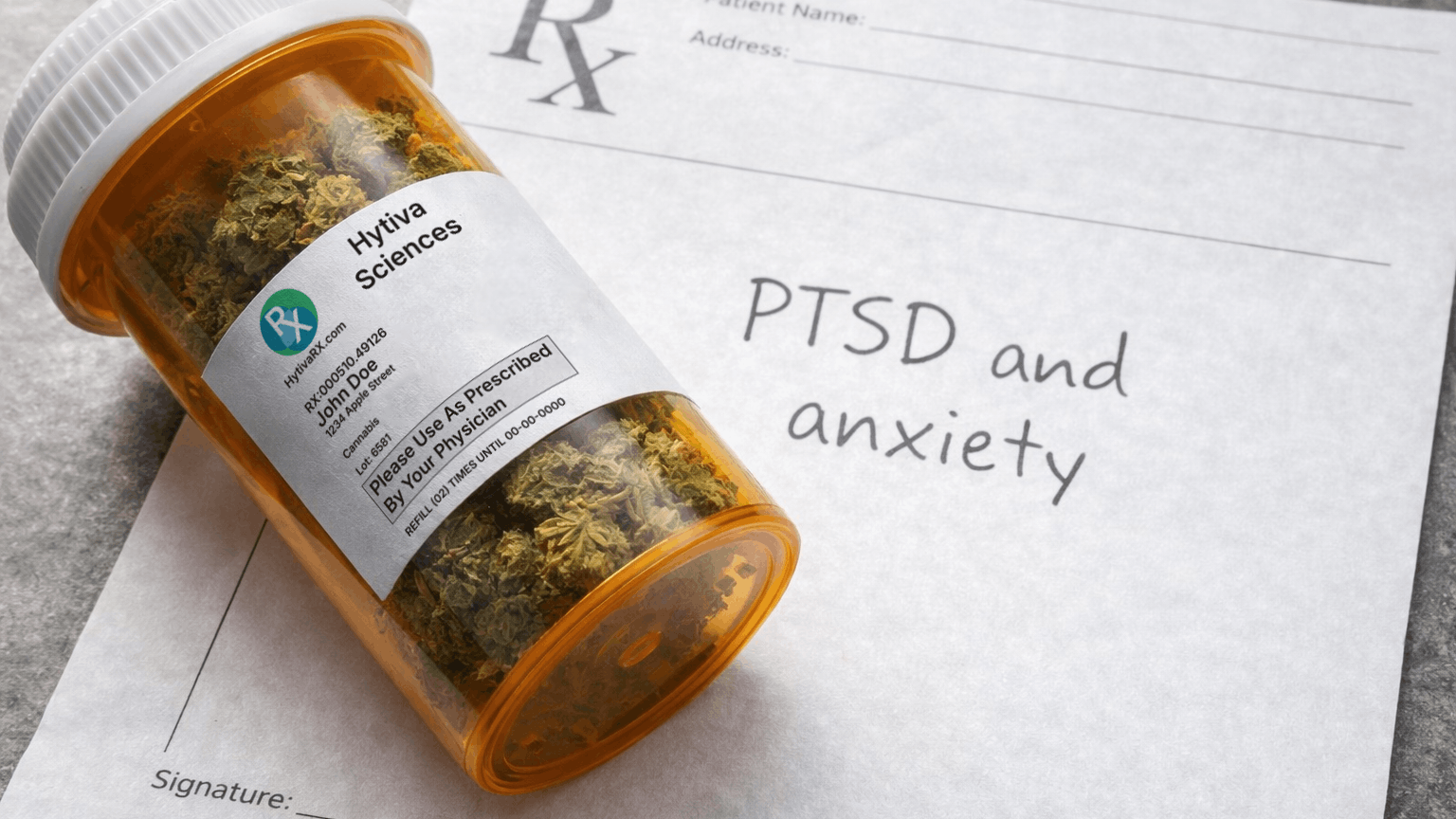
Post-traumatic stress disorder (PTSD) and anxiety disorders are among the most prevalent and debilitating mental health conditions worldwide. PTSD affects approximately 6% of U.S. adults at some point in their lives, with military veterans facing substantially elevated risk, studies of combat-exposed veterans report lifetime prevalence rates of 10–20%. [^1] Anxiety disorders, including generalized anxiety disorder, social anxiety disorder, and panic disorder, collectively affect an estimated 19% of U.S. adults annually and frequently co-occur with PTSD, complicating both diagnosis and treatment. [^2]
Current first-line treatments for PTSD, primarily trauma-focused psychotherapies such as prolonged exposure and cognitive processing therapy, along with the SSRIs sertraline and paroxetine (the only FDA-approved medications for PTSD), are effective for many patients but leave a significant treatment gap. Meta-analyses suggest that roughly 40–60% of patients achieve clinically meaningful improvement with SSRIs, and a substantial proportion of those who respond retain residual symptoms. [^3] For anxiety disorders, SSRIs and SNRIs are similarly effective for many patients, but treatment resistance, delayed onset of action, and side effects drive continued interest in alternative approaches.
Against this backdrop, the endocannabinoid system (ECS) has emerged as a biologically plausible target for both PTSD and anxiety. Foundational research has demonstrated that the ECS, particularly CB1 receptors densely expressed in the amygdala, hippocampus, and prefrontal cortex, plays a central role in fear memory processing, stress adaptation, and emotional regulation. [^4] These findings have generated considerable scientific interest in whether cannabinoid-based interventions might address the core neurobiology underlying these conditions.
Researchers focused on cannabis therapeutics must recognize that the current landscape demands careful calibration between legitimate scientific interest and transparent acknowledgment of the limited clinical evidence. The preclinical rationale for cannabinoid modulation of fear circuits is robust. The human data, however, consists of small pilot studies, observational reports, and a single randomized controlled trial of smoked cannabis for PTSD that failed to separate active treatment from placebo. The December 2025 executive order directing rescheduling of cannabis from Schedule I to Schedule III represents a potential turning point, opening pathways for the rigorous, large-scale clinical trials this field requires. [^5] What follows is an evidence-based assessment of current findings, their limitations, and the realistic trajectory of future research.
Fast Facts
- PTSD affects approximately 6% of U.S. adults, with veteran prevalence rates of 10–20% depending on service era and combat exposure. [^1]
- The endocannabinoid system, particularly CB1 receptors in the amygdala and prefrontal cortex, plays a well-characterized role in fear extinction and stress regulation, providing the biological rationale for cannabinoid research in PTSD and anxiety. [^4]
- The only completed randomized controlled trial of smoked cannabis for PTSD (N=80 veterans) found no statistically significant difference between three active cannabis preparations and placebo over three weeks, though all groups improved. [^6]
- In a small crossover RCT (N=10), the synthetic cannabinoid nabilone significantly reduced PTSD-related nightmare frequency compared to placebo in treatment-resistant military personnel. [^7]
- A double-blind study of 24 treatment-naïve social anxiety patients found that a single 600 mg dose of CBD significantly reduced anxiety during a simulated public speaking test, producing responses comparable to healthy controls. [^8]
- A retrospective case series of 72 adults found that 79% of anxiety patients showed decreased anxiety scores in the first month of CBD treatment, though scores fluctuated over time. [^9]
- In healthy volunteers, pre-extinction administration of THC facilitated recall of fear extinction learning and increased activation in prefrontal-hippocampal circuits critical to PTSD recovery. [^10]
- No cannabinoid product is FDA-approved for PTSD or any anxiety disorder. Sertraline and paroxetine remain the only FDA-approved pharmacotherapies for PTSD. [^3]
Current Evidence and Gaps
The Endocannabinoid System and Fear Processing
The strongest scientific foundation for cannabis research in PTSD and anxiety derives from basic neuroscience. The ECS is deeply integrated into the brain circuits that govern fear learning, extinction, and stress responses, the same circuits that are dysregulated in PTSD and anxiety disorders.
CB1 receptors are among the most abundant G protein-coupled receptors in the brain, with particularly dense expression in the amygdala, hippocampus, and prefrontal cortex. [^4] Preclinical research has established that endocannabinoid signaling within these regions is essential for fear extinction, the process by which learned fear responses diminish when a threat is no longer present. This process is directly relevant to PTSD, where impaired fear extinction is considered a core pathological mechanism, and to exposure-based psychotherapy, which relies on extinction learning for its therapeutic effect.
Hill et al. (2018) published a comprehensive review establishing the ECS as a critical modulator of stress adaptation, demonstrating that endocannabinoid deficiency states in animal models produce phenotypes resembling PTSD, including heightened anxiety, impaired fear extinction, and hyperarousal. [^11] Lutz et al. (2015) further characterized the ECS's protective function against fear and anxiety, with CB1 signaling in the basolateral amygdala gating fear expression and prefrontal CB1 activity supporting extinction consolidation. [^12]
This mechanistic understanding provides a clear biological rationale: if endocannabinoid signaling is deficient or dysregulated in PTSD and anxiety, pharmacological augmentation of this system might restore normal fear processing. However, a robust preclinical rationale does not guarantee clinical efficacy, a principle underscored by decades of failed translations across psychiatry and neurology.
Human Evidence for PTSD: Preliminary and Mixed
The clinical evidence for cannabinoids in PTSD is substantially thinner than the preclinical foundation would suggest. Only one randomized, placebo-controlled trial of whole-plant cannabis for PTSD has been completed.
Bonn-Miller et al. (2021) conducted a double-blind, crossover study in 80 U.S. military veterans with PTSD, comparing three smoked cannabis preparations (high THC, high CBD, and THC+CBD combination) against placebo over three weeks. The primary outcome was change in PTSD symptom severity measured by the CAPS-5. All four groups, including placebo, showed significant improvement in PTSD symptoms, but no active cannabis preparation statistically outperformed placebo. [6] The study was constrained by several design limitations: the three-week treatment period was likely insufficient, the NIDA-supplied research cannabis was of notably lower quality than commercially available products, and participants with substantial prior cannabis use may have contributed to the elevated placebo response.
Despite the null primary finding, the trial was important as proof of concept for the feasibility and safety of cannabis RCTs in PTSD. All active preparations were well-tolerated, with adverse events limited to mild effects such as cough and throat irritation.
A separate prospective observational study by Bonn-Miller et al. (2022) followed 150 participants with PTSD, cannabis users and non-users, over one year. Cannabis users reported significantly greater reductions in PTSD symptom severity over time and were 2.57 times more likely to no longer meet PTSD diagnostic criteria at study end. [^13] However, as an observational study, it cannot establish causation; self-selection, expectancy effects, and unmeasured confounders remain plausible alternative explanations.
For specific PTSD symptoms, the strongest controlled evidence involves nightmares. Jetly et al. (2015) conducted a small double-blind, placebo-controlled crossover trial of nabilone (a synthetic cannabinoid) in 10 Canadian military personnel with treatment-resistant PTSD-related nightmares. Nabilone significantly reduced nightmare frequency and severity compared to placebo, with 70% of subjects in the nabilone condition reporting improvement versus 22% on placebo. [7] An earlier open-label study by Fraser (2009) similarly reported that 72% of 47 PTSD patients experienced cessation or significant reduction of nightmares with nabilone. [^14] Both studies were very small, and neither has been replicated in a larger sample.
Roitman et al. (2014) conducted a small open-label pilot of oral THC (5 mg twice daily) in 10 patients with chronic PTSD, reporting significant improvements in hyperarousal symptoms, sleep quality, and nightmare frequency. [^15] The uncontrolled design and limited sample preclude definitive conclusions.
Human Evidence for Anxiety: Small Studies, Preliminary Signals
The clinical evidence for CBD in anxiety disorders is more developed than for PTSD but remains preliminary.
The most cited study is Bergamaschi et al. (2011), which administered a single 600 mg dose of CBD or placebo to 24 treatment-naïve patients with generalized social anxiety disorder before a simulated public speaking test. CBD significantly reduced anxiety, cognitive impairment, and discomfort during the speech, producing anxiety responses comparable to healthy controls. The placebo group showed the elevated anxiety levels expected of untreated SAD patients. [^8]
Crippa et al. (2011) used SPECT neuroimaging to examine the neural basis of CBD's anxiolytic effects in 10 patients with SAD. In a crossover design, a single 400 mg dose of CBD significantly reduced subjective anxiety and modulated activity in limbic and paralimbic brain regions, including the parahippocampal gyrus and hippocampus. [^16]
Shannon et al. (2019) published a retrospective case series from a psychiatric clinic where CBD was used as an adjunct to usual treatment in 72 adults with primary anxiety (n=47) or sleep complaints (n=25). Anxiety scores decreased within the first month in 79.2% of anxiety patients and remained decreased over the study period, while sleep scores improved initially but fluctuated. [^9] As a retrospective chart review with no control group, this study cannot distinguish CBD effects from placebo response, natural fluctuation, or concurrent treatments.
Emerging evidence suggests CBD's anxiolytic effects may follow an inverted U-shaped dose-response curve. Zuardi et al. (2017) found that 300 mg CBD reduced anxiety in healthy volunteers during a public speaking test, but 150 mg and 600 mg doses did not, suggesting a narrow therapeutic window that complicates clinical translation. [^17]
For THC, the evidence is more complex. While low doses of THC have shown anxiolytic effects in some experimental paradigms, higher doses reliably increase anxiety, a dose-dependent biphasic effect that is well-documented in both preclinical and clinical literature. [^4] This presents a fundamental challenge for THC-based approaches to anxiety: the margin between therapeutic and anxiogenic doses may be narrow and individually variable.
Fear Extinction: The Translational Bridge
The most methodologically rigorous line of human cannabinoid research relevant to PTSD derives from experimental fear conditioning and extinction studies.
Rabinak et al. (2013) demonstrated in a double-blind, placebo-controlled study in healthy volunteers (N=28) that a single low dose of oral THC (7.5 mg dronabinol), administered before extinction learning, facilitated later recall of extinction memory, meaning participants who received THC were better able to maintain their reduced fear responses 24 hours after extinction training. [^10] Subsequent fMRI work by the same group (Rabinak et al., 2014) showed that THC enhanced activation in the ventromedial prefrontal cortex and hippocampus during extinction recall, the brain regions most directly implicated in PTSD pathophysiology. [^18]
Rabinak et al. (2018, 2023) extended this work to adults with PTSD, demonstrating that THC-treated PTSD patients exhibited improved extinction recall (reduced skin conductance responses to previously extinguished stimuli) and increased hippocampal activation compared to placebo-treated PTSD patients. [^19] These findings provide the most direct translational evidence that cannabinoid modulation of fear circuits is feasible in the clinical population of interest.
This line of research is significant because it directly addresses the mechanism by which cannabinoids might enhance the efficacy of exposure-based psychotherapy, the gold standard treatment for PTSD. If THC can improve the consolidation and recall of extinction memories formed during exposure sessions, it could serve as a pharmacological adjunct that makes therapy more effective and durable, rather than as a standalone treatment.
Critical Gaps
Despite these preliminary signals, the gaps in the evidence base are substantial.
The clinical trial base for PTSD is limited: one RCT with a null primary outcome, one prospective observational study, two very small nabilone trials for nightmares, and one open-label THC pilot. No large, well-powered, multicenter RCT of any cannabinoid for PTSD has been completed.
For anxiety, no CBD trial has enrolled more than 24 clinical patients, and no long-term treatment study has been conducted. The inverted U-shaped dose response raises unresolved questions about optimal dosing.
Most studies have enrolled predominantly male, white, veteran samples, severely limiting the generalizability of findings to women, racial and ethnic minorities, and non-veterans who experience PTSD from civilian trauma sources such as sexual assault, domestic violence, or natural disasters.
The dual-edged nature of cannabinoids remains underexplored: THC can exacerbate anxiety at higher doses, cannabis use disorder is more prevalent among individuals with PTSD, and the long-term effects of sustained cannabinoid use on PTSD trajectories remain unknown. A longitudinal VA study by Bonn-Miller et al. (2011) found that less symptom improvement during PTSD residential treatment predicted greater post-discharge cannabis use, suggesting self-medication dynamics that could complicate therapeutic applications. [20]
Future Research Directions
Immediate Priorities (1–3 Years Post-Rescheduling)
The most achievable near-term advances center on two areas: cannabinoid-augmented psychotherapy and nightmare-targeted interventions.
The Rabinak fear extinction data provides a clear rationale for clinical trials testing THC as an adjunct to prolonged exposure therapy. An R61/R33 trial at Wayne State University is investigating whether THC administered prior to exposure sessions enhances extinction learning and recall in PTSD patients, and whether this translates into greater PTSD symptom reduction and improved maintenance of treatment gains. [^19] Results from this and similar trials will determine whether cannabinoid-augmented exposure therapy has a viable clinical future.
For nightmares, the Jetly nabilone data requires replication in a larger, multicenter trial. A German Phase II trial (THC PTSD-trial) is currently testing oral dronabinol versus placebo for PTSD-related nightmares in a planned sample of 176 patients, the largest cannabinoid-PTSD trial yet designed. [^21] A positive outcome could establish the first evidence-based cannabinoid intervention for a specific PTSD symptom cluster.
Additionally, the role of cannabis in managing co-occurring symptom clusters in PTSD, sleep disturbance, hyperarousal, and anxiety occurring simultaneously, warrants investigation. PTSD patients rarely experience isolated symptoms, and a treatment that modestly improves multiple symptom domains may provide clinically meaningful quality-of-life benefits even if it does not achieve significance on any single endpoint.
See "The Future of Pain Management Research: Reducing Opioid Dependency" for related discussion of cannabinoid interactions with opioid therapy in veteran populations.
Medium-Term Goals (3–7 Years)
A well-powered, multicenter RCT of whole-plant cannabis for PTSD is needed to address the limitations of the Bonn-Miller 2021 trial. Key design improvements should include longer treatment duration (12+ weeks rather than 3), use of commercially representative cannabis products rather than NIDA-grade research cannabis, stratification by prior cannabis experience, and inclusion of functional outcomes alongside symptom measures.
For anxiety disorders, dose-finding studies of CBD are essential to resolve the inverted U-shaped dose-response question. Trials should test specific anxiety subtypes separately; generalized anxiety, social anxiety, and panic disorder likely involve different mechanisms and may respond differently to cannabinoid interventions. The Bergamaschi and Crippa data point to social anxiety as the subtype with the strongest preliminary evidence, making it a logical starting point for larger trials.
Investigation of cannabis use disorder risk in therapeutic contexts is equally important. Any cannabinoid therapy for PTSD must demonstrate that therapeutic benefits outweigh the risk of developing problematic cannabis use, a legitimate concern given that PTSD populations already show elevated rates of substance use disorders.
See "The Entourage Effect: From Hypothesis to Evidence" for discussion of whole-plant versus isolated compound evidence relevant to trial design decisions.
Long-Term Vision (7–15 Years)
The fundamental scientific question is whether cannabinoid interventions can achieve durable improvement in PTSD and anxiety, not merely symptom suppression during active use, but lasting changes in fear processing and stress resilience. This distinction is clinically significant: a treatment that reduces nightmares only while being actively taken serves a different purpose than one that enhances the permanent learning that occurs during psychotherapy.
Biomarker development could enable precision approaches: endocannabinoid levels (such as circulating anandamide and 2-AG), genetic variation in ECS components (e.g., FAAH polymorphisms), and neuroimaging markers of extinction circuit function might identify patients most likely to respond to cannabinoid-augmented treatment. Zabik et al. (2022) have demonstrated that genetic variation in FAAH, the enzyme that degrades anandamide, is linked to alterations in fear extinction neural circuitry, suggesting that endocannabinoid genetics could guide patient selection. [^22]
Condition-Specific Applications
PTSD
Future cannabis research for PTSD should be understood as pursuing two distinct strategies with different evidence bases:
Cannabinoid-augmented psychotherapy targets the core pathophysiology of PTSD, impaired fear extinction, by using cannabinoids to enhance the learning that occurs during exposure-based therapy. This approach has the strongest translational rationale, grounded in Rabinak's fear extinction data and the well-characterized role of CB1 signaling in extinction consolidation. Clinical trials testing this strategy are underway.
Symptom-targeted cannabinoid therapy uses cannabinoids to manage specific PTSD symptoms, particularly nightmares and sleep disturbance, without necessarily addressing the underlying disorder. The nabilone nightmare data provides preliminary support for this approach, which may offer meaningful relief for patients with treatment-resistant symptoms even if it does not resolve PTSD itself.
A third approach, using whole-plant cannabis as a general PTSD treatment, has the weakest evidence base following the null Bonn-Miller 2021 trial, though design limitations of that study leave the question open. Future trials with improved methodology may yet demonstrate efficacy.
For veterans, where PTSD prevalence is highest and interest in cannabis is substantial, culturally informed trial designs that account for service-related trauma, military culture, and the specific barriers veterans face in accessing mental health care are essential. Equally important is extending research to non-veteran populations: survivors of sexual assault, interpersonal violence, natural disasters, and other civilian trauma sources have been significantly underrepresented in cannabis-PTSD research.
Anxiety Disorders
For anxiety, the most promising near-term applications are in social anxiety disorder, where both the Bergamaschi and Crippa studies provide preliminary evidence of CBD's acute anxiolytic effects, and the neural basis (reduced amygdala and increased prefrontal activation) is consistent with the known pharmacology of CBD at serotonin 5-HT1A receptors.
For generalized anxiety disorder and panic disorder, the evidence is sparser. The Shannon case series included patients with generalized anxiety, but the uncontrolled design cannot distinguish CBD effects from placebo. Panic disorder, where rapid onset of relief is critical during acute attacks, has not been specifically studied with cannabinoids.
An important distinction for anxiety applications is between THC and CBD. CBD has demonstrated anxiolytic effects without the psychoactive properties or biphasic dose-response that complicate THC use, making it a more straightforward candidate for anxiety treatment. However, the inverted U-shaped curve reported by Zuardi et al. introduces its own dosing challenges.
See "CBD for Insomnia and Sleep Disorders" for related evidence on CBD's role in anxiety-driven sleep disruption.
Challenges and Ethical Considerations
The Evidence-Practice Gap
The most significant challenge in this field is the disparity between patient and public interest in cannabis for mental health and the actual evidence supporting its use. Cannabis is already one of the most commonly self-reported treatments among veterans with PTSD, many of whom use it outside of medical supervision and without evidence-based guidance on dosing, formulation, or potential risks. [^20] Advocacy has outpaced science, and claims about cannabis "treating" PTSD circulate widely based on preclinical data and observational reports that cannot establish causation.
This creates an ethical imperative for researchers: the most effective way to protect patients is not to restrict access but to generate the rigorous clinical evidence that can inform safe and effective use. The rescheduling to Schedule III directly enables this by removing regulatory barriers that have made cannabis clinical trials exceptionally difficult to conduct.
The Risk of Worsening Outcomes
Cannabis use is not uniformly beneficial for individuals with PTSD and anxiety. Higher-THC products can provoke acute anxiety and panic attacks. Cannabis use disorder is more prevalent among individuals with PTSD than in the general population, and some evidence suggests that heavy cannabis use during PTSD treatment may impede therapeutic progress. [^20] Any clinical application of cannabinoids for these conditions must carefully weigh the risk-benefit ratio, ideally within supervised medical contexts.
Drug-Drug Interactions
Both THC and CBD are metabolized by cytochrome P450 enzymes and can interact with psychiatric medications commonly prescribed for PTSD and anxiety, including SSRIs, SNRIs, benzodiazepines, and anticonvulsants. CBD in particular is a potent inhibitor of CYP2C19 and CYP3A4, raising the potential for clinically significant interactions with medications such as sertraline or citalopram. [^23] These interactions are frequently overlooked when patients self-medicate with cannabis products.
Trial Design and Diversity
Cannabis poses well-known challenges for randomized controlled trials: the psychoactive effects of THC make blinding difficult, the optimal dose and formulation are unknown, and the relevant patient subpopulations are poorly defined. Adaptive trial designs, enrichment strategies based on biomarkers or prior cannabis response, and active placebo conditions that mimic intoxication without cannabinoid receptor activity may be necessary to address these methodological challenges.
Participant diversity is a critical concern. PTSD from sexual assault disproportionately affects women; PTSD from community violence disproportionately affects Black Americans; and anxiety disorders span all demographic groups. Trial populations that consist primarily of white male veterans cannot inform treatment for these broader populations. The FDA's 2024 guidance on Diversity Action Plans for clinical trials provides a framework for addressing this gap. [^24]
VA Policy Context
An important practical consideration for veteran-focused research is that VA physicians are currently unable to recommend or prescribe cannabis to veterans, even in states where medical cannabis is legal, due to federal law. Rescheduling to Schedule III would not automatically change VA prescribing policy, but it would remove a significant barrier and create space for policy evolution. This regulatory mismatch means that the veteran population most studied and most interested in cannabis for PTSD currently has the least access to medically supervised cannabinoid therapy.
Frequently Asked Questions
Is cannabis FDA-approved for PTSD or anxiety? No. No cannabis or cannabinoid product is FDA-approved for PTSD or any anxiety disorder. The only FDA-approved medications for PTSD are sertraline (Zoloft) and paroxetine (Paxil). Cannabis-derived CBD (Epidiolex) is FDA-approved only for certain seizure disorders. [^3]
Has cannabis been proven effective for PTSD in clinical trials? Not at this time. The only completed RCT of smoked cannabis for PTSD (Bonn-Miller et al., 2021) found no significant difference between cannabis and placebo over three weeks, though all groups improved. A small RCT of the synthetic cannabinoid nabilone showed significant reduction in PTSD-related nightmares. Larger, longer trials are needed. [^6] [^7]
What does the evidence show for CBD and anxiety? Small studies suggest CBD can reduce acute anxiety in laboratory settings, particularly during simulated public speaking in social anxiety patients. However, no large, long-term clinical trial has been completed. CBD's anxiolytic effects may follow an inverted U-shaped dose-response curve, indicating that higher doses are not necessarily more effective. [^8] [^17]
Can cannabis worsen PTSD or anxiety symptoms? Yes. THC can provoke acute anxiety and panic, especially at higher doses. Cannabis use disorder is more common among individuals with PTSD, and some evidence suggests heavy cannabis use may interfere with the benefits of psychotherapy. These risks underscore the importance of medical supervision. [^4] [^20]
How might rescheduling affect PTSD and anxiety research? Schedule III classification would allow researchers to use a wider range of cannabis materials beyond NIDA-supplied products, apply for NIH and VA funding more readily, and conduct the multicenter trials this field requires. It would also reduce institutional barriers at universities and VA medical centers. [^5]
What is the most scientifically promising research direction? Many researchers consider cannabinoid-augmented psychotherapy the most well-grounded approach: using low-dose THC before exposure therapy sessions to enhance fear extinction learning. This targets a specific mechanism (impaired extinction recall) with a specific intervention, rather than employing cannabis as a general-purpose treatment. [^10] [^19]
What is the realistic timeline for cannabis to become an established PTSD treatment? Even under favorable conditions, well-powered Phase II/III trials would require 5–10 years to design, fund, complete, and replicate. A realistic timeline for definitive clinical evidence, if the data supports efficacy, is 7–15 years. The existing evidence does not currently support cannabis as a first- or second-line treatment for PTSD or anxiety.
The Takeaway
Cannabis research for PTSD and anxiety stands at a critical juncture. The preclinical neuroscience is robust: the endocannabinoid system plays a well-characterized role in fear extinction and stress regulation, and cannabinoid modulation of these circuits has been demonstrated in both animal models and human laboratory studies. The Rabinak fear extinction work provides a strong translational bridge from basic science to clinical application.
The clinical evidence, however, has not yet matched the preclinical promise. For PTSD, the evidence base includes one null RCT, one observational study suggesting benefit, and very small nabilone trials for nightmares. For anxiety, the available data consists of small acute-dose studies of CBD in social anxiety patients and a retrospective case series. This evidence base is insufficient to support clinical recommendations, though it is sufficient to justify the rigorous trials that are now becoming feasible.
The transition to Schedule III, if completed, will not resolve these uncertainties, but it will remove the most fundamental obstacle: the inability of qualified researchers at major institutions to conduct the trials this field requires. The specific questions those trials must address, whether cannabinoid-augmented exposure therapy improves PTSD outcomes, whether nabilone is effective for nightmares in larger samples, whether CBD has sustained anxiolytic effects beyond single doses, and whether benefits outweigh the risks of cannabis use disorder, are all answerable with proper study design and adequate funding.
The current assessment is that the evidence does not yet establish whether cannabis will prove to be an effective treatment for PTSD or anxiety. The scientific rationale is sufficiently strong and the unmet clinical need sufficiently great to warrant rigorous investigation. The rescheduling era makes that possible for the first time.