Walz Signs 2026 Omnibus Cannabis Bill Merging State’s Dual Supply Chains
Last Updated
Under a new law signed by Gov. Tim Walz, Minnesota is combining its medical and recreational cannabis supply chains.
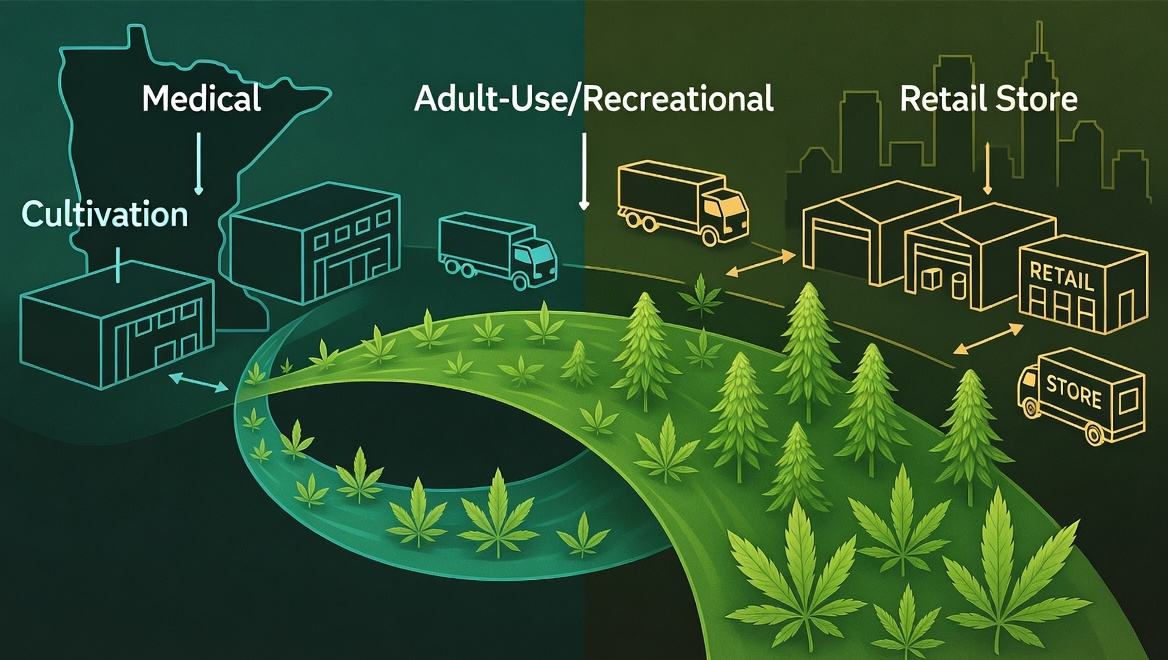
Gov. Tim Walz has signed the 2026 Omnibus Cannabis Bill into law. The measure merges the state's separate medical and adult-use cannabis supply chains to cut costs and improve efficiency for businesses.
The new law ends the old requirement that operators run completely separate systems for growing, processing and distributing medical cannabis and recreational products. Companies with proper licenses can now handle both markets in the same operations until products reach store shelves.
A major part of the bill creates a new macrobusiness license. This replaces the previous medical combination license. It lets qualified operators grow, make and sell both medical and adult-use cannabis under one permit. The Office of Cannabis Management will limit the number of these macrobusiness licenses to issue.
All licensed businesses must keep using the Metrc seed-to-sale tracking system. This tool follows products from cultivation through final sale. Officials say it helps maintain safety standards and stops any product from entering the illegal market.
The Office of Cannabis Management will lead the rollout of the combined supply chain. Most parts of the law take effect on Aug. 1, 2026. The new macrobusiness licensing program starts Jan. 1, 2027.
Lawmakers and industry groups say the changes address problems created by the old split system. Running two separate supply chains meant extra expenses for facilities, security and staff. Combining them should lower costs and help make products more available to customers and patients.
Medical cannabis patients will still buy their products tax-free with proper identification. The law keeps those protections in place while giving businesses more flexibility.
The bill passed during the final days of the legislative session after talks with many industry stakeholders. It also includes updates for hemp businesses and support for social equity participants.
Some smaller operators worry the changes could increase competition from bigger companies that get the new macrobusiness licenses. State officials say they included measures to help smaller and equity businesses stay competitive.
Minnesota's cannabis industry has grown since adult-use sales began. This supply chain merger is one of the biggest policy shifts since legalization. It brings the state in line with others that have moved to more integrated markets.
Businesses now have time to update their operations and compliance plans. The Office of Cannabis Management plans to release guidance in the coming weeks.
The unified approach aims to strengthen the legal market and give consumers more reliable access to products.