Virginia Set to Launch Regulated Recreational Cannabis Market After Governor-Lawmaker Agreement
Last Updated
Retail stores could begin selling cannabis to adults in July 2027 under the agreement.
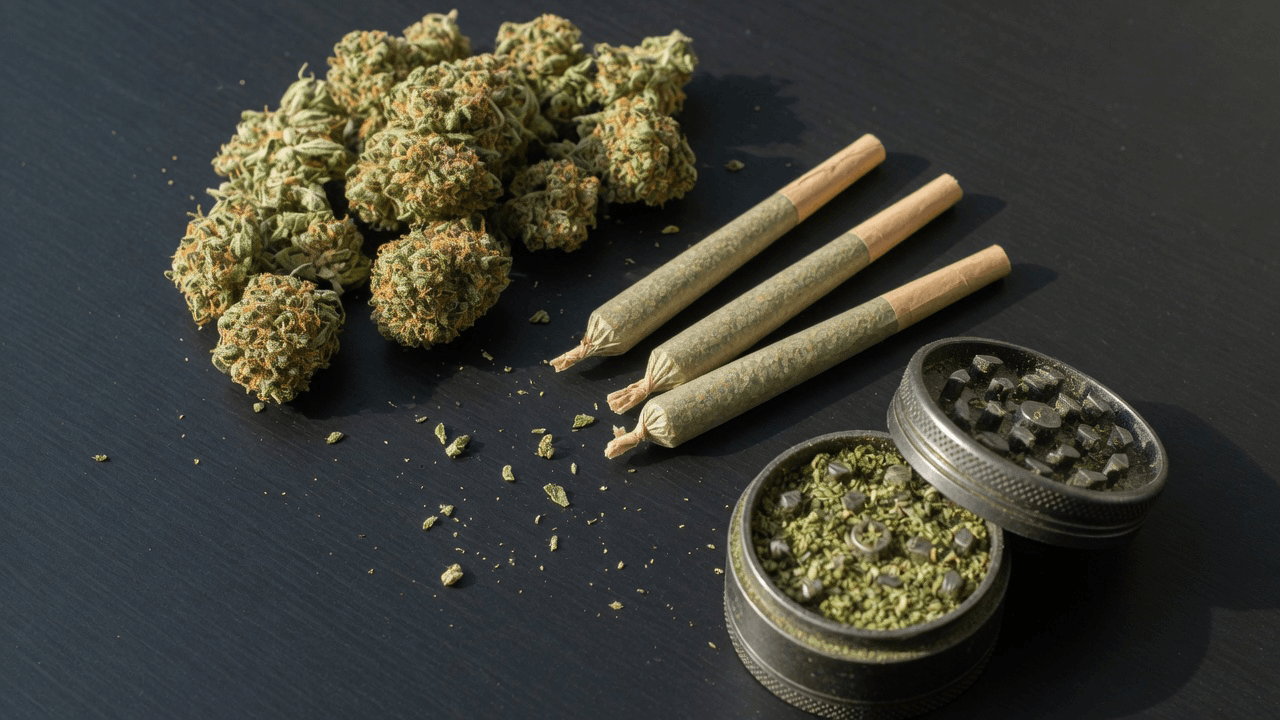
RICHMOND, Va. — Virginia has reached a detailed agreement to open a regulated market for recreational cannabis sales, with stores expected to begin operations in July 2027. The plan emerged from talks between Governor Abigail Spanberger and legislative leaders after earlier proposals faced a veto.
The extended timeline gives the Virginia Cannabis Control Authority space to create licensing procedures, safety requirements and enforcement systems before any stores open. Officials view this preparation period as essential for building public confidence in product quality and preventing the problems seen in states that moved too quickly.
Under the terms, the state would authorize a maximum of 350 retail locations. Applications would open in February 2027, allowing time for review and approval ahead of the sales start date. The cap supports an orderly rollout and helps distribute stores across different regions rather than concentrating them in a few areas.
Adults 21 and older would be permitted to possess as much as two ounces. This updates the current one-ounce threshold. Personal possession has remained outside criminal penalties since 2021, and the new rules preserve that approach while adding clarity for larger amounts.
Public use would trigger a $250 civil fine. The penalty stays in the civil system, avoiding criminal records for what many consider a low-level offense. A 6 percent tax on sales would take effect when stores launch. The rate would increase to 8 percent in 2029. Lawmakers chose the gradual increase to give new businesses time to establish themselves before facing higher costs.
A large share of license fee revenue, specifically 75 percent of the amounts collected, would support the Cannabis Equity Business Loan Fund. The fund provides low-interest financing to applicants from communities that experienced heavy enforcement during prohibition. Supporters say this mechanism helps correct past imbalances by expanding who can participate in the legal industry.
Remaining proceeds would support early childhood programs, public schools and behavioral health services. Directing funds to these areas turns cannabis sales into a resource for longstanding state priorities rather than general spending.
The agreement reflects lessons from other states and addresses concerns raised during the veto of prior bills. Earlier versions set an earlier launch date and included different limits on possession and penalties. The revised plan prioritizes regulatory readiness and measured growth.
For consumers, the system would replace unregulated sources with tested products that carry clear labeling and age restrictions. For businesses, it creates a predictable path to market with defined fees and oversight. For communities, the equity-focused lending and education funding offer tangible benefits beyond the stores themselves.
The Cannabis Control Authority would manage day-to-day operations, including background checks on applicants, product testing standards and rules against sales to minors. Additional provisions are expected to cover hemp-derived products and youth protection measures.
State budget legislation now under discussion would incorporate the final details. Once approved, the authority can begin accepting applications early next year and work through the spring and summer to prepare the first wave of licensed retailers.
This structure aims to deliver the benefits of legalization while limiting risks. By spacing out the launch and embedding equity and revenue goals from the start, Virginia seeks a model that serves both public health and economic opportunity. The coming months will show how quickly the authority can translate the agreement into working rules and open stores.