Virginia Passes Legislation for Recreational Cannabis But is Vetoed by Governor
Last Updated
Despite legislation passing, Virginia's push for recreational cannabis sales is on hold after Governor veto's bill.
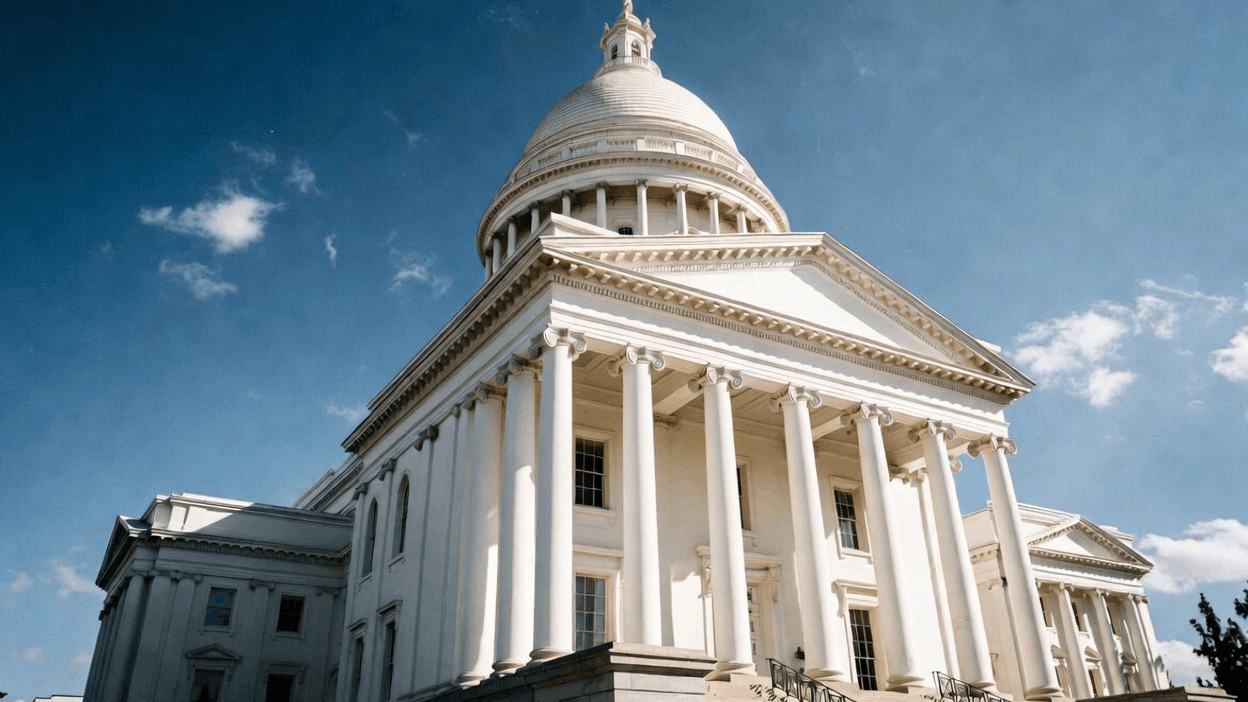
RICHMOND, Va. — The Virginia General Assembly passed a bill to legalize recreational cannabis sales for adults, but Gov. Abigail Spanberger vetoed the measure in May 2026.
Lawmakers approved the legislation that would have allowed adults 21 and older to buy recreational cannabis starting Jan. 1, 2027. The bill came after weeks of negotiations among legislators, industry representatives, regulators and community groups. They aimed to create a safe and well-run marketplace.
The proposal included several key details. It would have set a 6% state cannabis tax. Possession limits would rise to 2.5 ounces. Revenue from the tax would be split so that 40% goes to early childhood care and education, and 30% goes to a new Cannabis Equity Reinvestment Fund. The rest would support public safety, regulation and other state needs.
Analysts projected the program could generate more than $400 million in annual state tax revenue over the first five years of recreational sales. Supporters said the money would help schools, create jobs and reduce the illegal market without raising taxes on residents.
Despite the agreement, Spanberger rejected the bill. In her veto message, she said the proposal lacked a strong enough regulatory framework, clear enforcement rules and enough resources for proper implementation. She called for stronger protections for public health and safety, including better youth prevention measures and support for local law enforcement. Lawmakers offered some changes to address her concerns, but those revisions did not satisfy the governor.
Virginia has allowed medical cannabis since 2020. Licensed dispensaries already operate across the state. Many hoped the new law would build on that system and bring the underground market under regulation.
The veto leaves the industry in limbo. Business groups and supporters say the delay could slow investment and keep consumers turning to unregulated sources. Critics of the bill praised the governor for refusing to move forward without tighter controls. They pointed to problems in other states where quick rollouts led to enforcement issues and safety concerns.
The bill represented a compromise reached across party lines. Negotiators spent months shaping the plan to balance economic gains with public safety. The higher possession limit and targeted revenue uses were meant to appeal to both business interests and social justice advocates.
With the veto in place, attention now shifts to what comes next. Legislative leaders have not ruled out trying to override the veto or bringing the issue back in a future session. However, time is short before the next General Assembly convenes.
For now, Virginia will continue operating only its medical cannabis program. The push for recreational sales, which gained momentum in recent years, has hit a major roadblock.
The debate highlights the challenges of cannabis policy in Virginia, a state that continues to weigh potential tax dollars and social equity against concerns about regulation and youth access. Spanberger's decision keeps the issue alive for future lawmakers to address.