The State of Cannabis Advertising After Rescheduling in 2026
Last Updated
With the rescheduling of medical cannabis, advertising still remains a complicated patchwork for businesses to navigate.
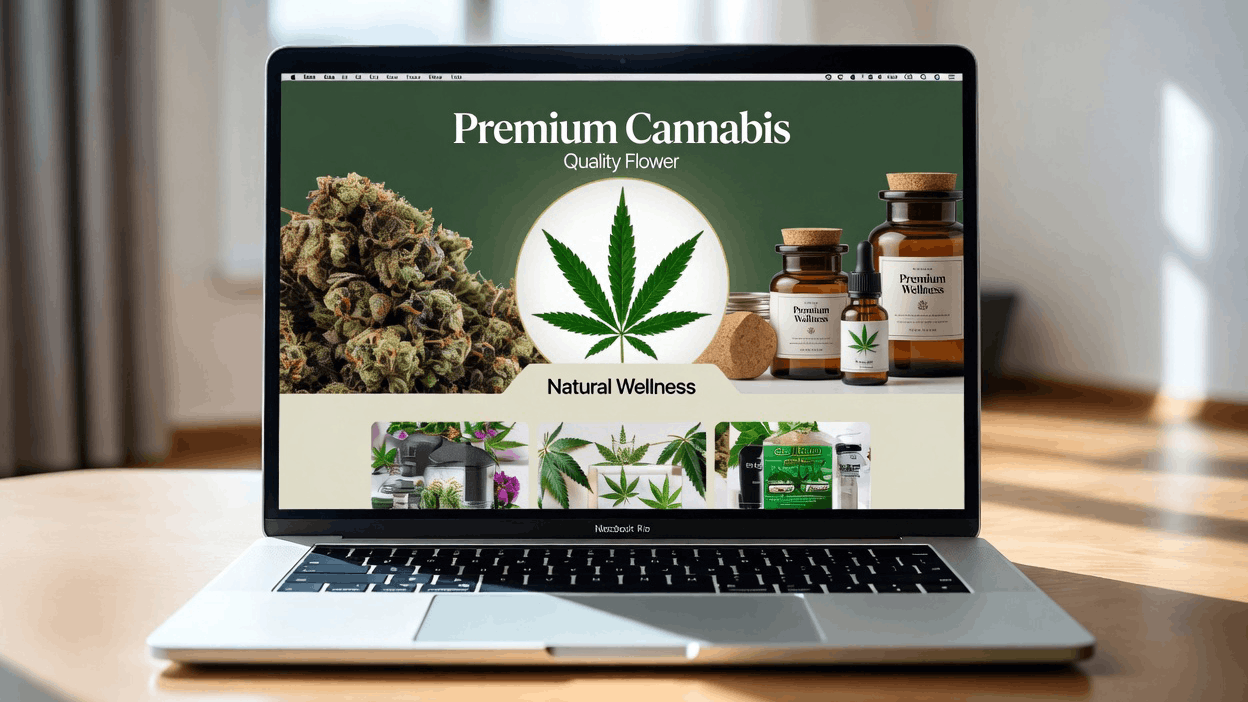
The federal rescheduling of cannabis has been celebrated as a major milestone for the industry. But for marketers and advertisers, the change has so far delivered more continuity than disruption.
Even after the move to reclassify medical cannabis, core advertising restrictions remain intact. The rescheduling did not remove or loosen federal rules that limit how cannabis brands can promote their products. As a result, companies are still operating under many of the same constraints they faced before.
Industry compliance experts say brands should continue to take a cautious approach, especially on digital and social platforms. Meta, Google, and other major channels maintain strict policies, and violations can lead to sudden account suspensions or blocked campaigns. Most cannabis marketers are sticking to conservative strategies. They focus on compliant channels such as email, SEO, content marketing, and state-approved tactics rather than chasing broad national exposure.
“Rescheduling has not opened the floodgates for mainstream advertising,” noted one senior compliance officer who asked to remain anonymous. “Brands still need to be very careful about what they say and where they say it.”
Advertising oversight also remains largely a state-by-state matter. This creates a complicated patchwork. Mature cannabis states like California, Colorado, and New York have their own detailed rules covering everything from health claims to where ads can appear. Newer or more restrictive states add another layer of complexity. The result is a challenging environment for any brand hoping to build a truly national identity.
Looking ahead, more clarity could emerge soon. Congressional hearings scheduled for June 2026 are expected to include deeper conversations about cannabis advertising rules and whether they still make sense under the new federal classification.
The rescheduling has also renewed an important debate within the industry: Even as cannabis gains wider public acceptance, does advertising it still carry significant legal and financial risk? Many legal and marketing professionals believe the answer is yes. Federal banking limitations, FDA oversight on claims, and platform policies continue to create real exposure for companies that push boundaries.
As 2026 unfolds, cannabis marketers are walking a familiar tightrope. They see growing consumer interest and cultural normalization, but they must balance that opportunity with careful compliance. For now, the consensus across the industry is clear: proceed with caution.
While rescheduling marks real progress, it has not yet delivered the advertising freedom many in the sector were hoping for. The coming months of hearings and ongoing state-level developments will likely shape the next chapter for cannabis marketing.