Texas Moves to Restrict Delta-8 THC Amid Health and Safety Concerns
Last Updated
A ban on delta-8 THC and other hemp-derived intoxicating cannabinoids begins across Texas on July 31, 2026, after the Supreme Court reversed an injunction.
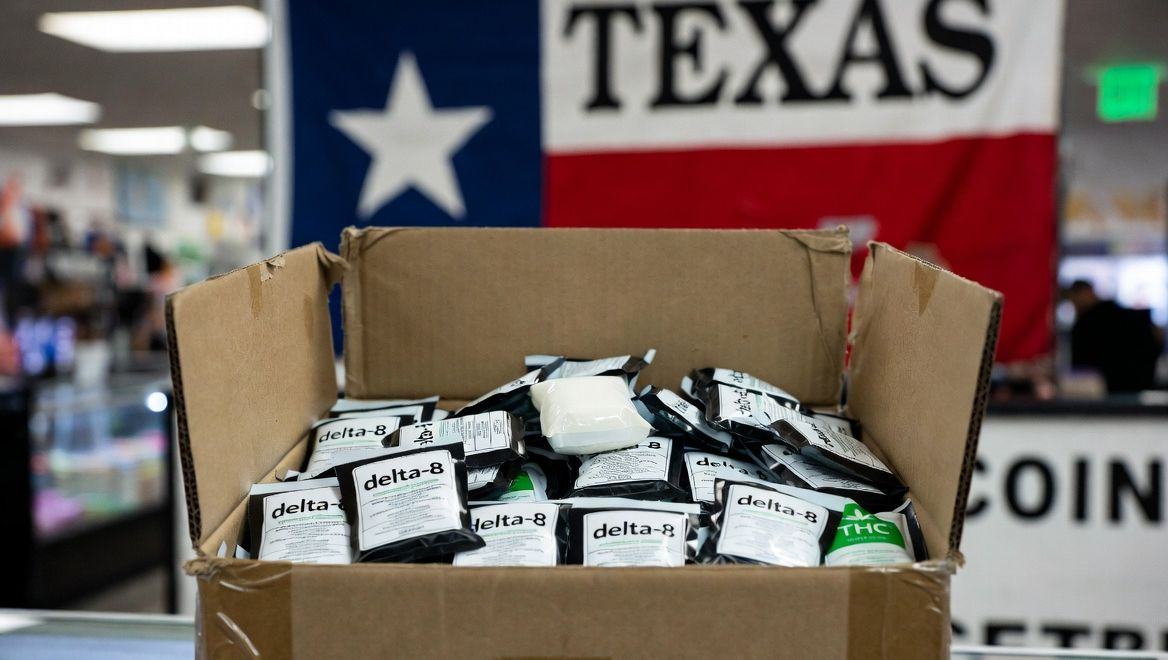
Starting July 31, 2026, a sweeping restriction on certain hemp-derived tetrahydrocannabinol products takes effect across Texas, requiring retailers to remove popular intoxicating items from shelves and exposing consumers to potential criminal penalties for possession.
The change stems from the Texas Department of State Health Services reinstating 2021 definitions of “tetrahydrocannabinols” and “marihuana extract” in the state’s Schedule of Controlled Substances. Those definitions classify delta-8 THC and other non-delta-9 isomers, including delta-10 THC, THCP, and related compounds, as Schedule I controlled substances when present above naturally occurring trace amounts. Only hemp products containing no more than 0.3 percent delta-9 THC by dry weight remain lawful under both state and federal standards.
Delta-8 THC, a compound chemically similar to the primary psychoactive ingredient in marijuana but typically derived from hemp and often synthesized to produce milder intoxicating effects, has become a mainstay in Texas smoke shops, convenience stores, and specialty retailers since the 2018 federal Farm Bill and subsequent 2019 state legislation legalized industrial hemp. Products containing the compound, along with related isomers, have filled shelves in gummies, vapes, tinctures, and other consumables for years while courts blocked earlier enforcement efforts.
Thousands of businesses across the state sell hemp products, many of which have relied heavily on delta-8 and similar cannabinoids for a substantial share of their inventory and revenue. Industry groups, including the Texas Hemp Business Council, have urged retailers to evaluate stock and clear noncompliant items before the deadline. Officials and advocates estimate that a large portion of current offerings, in some cases half or more, will no longer be legal to sell.
The path to the ban involved years of litigation. In 2021, DSHS amended the controlled substances schedules to clarify that manufactured delta-8 and similar isomers remained controlled despite originating from hemp. Hemp businesses challenged the action, securing a temporary injunction from a Travis County court that halted enforcement. Lower courts upheld the block, but on May 1, 2026, the Texas Supreme Court reversed the injunction in Texas Department of State Health Services v. Sky Marketing Corp. The high court held that the department’s commissioner acted within statutory authority. The court’s mandate was issued in early June, clearing the way for DSHS to publish notice of the reinstated definitions in the July 10 Texas Register, with an effective date of July 31.
Possession of the newly restricted products is treated as a state jail felony under Texas controlled substances law. For quantities under one gram, the offense carries a potential sentence of 180 days to two years in a state jail facility and a fine of up to $10,000. Larger amounts escalate to higher-degree felonies with correspondingly longer prison terms and higher fines. Law enforcement agencies in cities such as Austin and San Antonio have indicated they will enforce the reclassification.
Products that remain legal include certain edibles, beverages, and topicals formulated with compliant levels of delta-9 THC. Delta-9 itself, when kept at or below the 0.3 percent threshold, continues to qualify as hemp. Some smokable hemp flower products have faced separate regulatory pressure, though litigation has complicated enforcement of additional restrictions in that category.
Supporters of the tighter rules, including public health advocates, have pointed to concerns over unregulated high-potency products, accidental ingestion by children, and the psychoactive effects of compounds never intended for widespread consumer sale under the original hemp framework. Opponents, including industry representatives and some cannabis policy groups, argue the reclassification criminalizes products that had been openly sold for years, threatens livelihoods, and may push consumers toward unregulated or illicit markets. They note that licensed sellers already faced testing and labeling requirements and that creating pure delta-9 products free of all other cannabinoid traces is practically difficult.
The development arrives amid broader political tension over hemp-derived intoxicants in Texas. Lawmakers previously advanced more comprehensive bans that ultimately did not become law, and further legislative action remains possible in future sessions. For now, the July 31 effective date marks a clear dividing line: retailers must pull noncompliant inventory, and consumers risk felony charges for retaining the banned substances.
As businesses scramble to adjust and consumers confront emptied shelves, the practical impact of the Supreme Court-backed reinstatement of the 2021 definitions is already reshaping Texas’s hemp marketplace. What was once a booming sector of alternative cannabinoid products faces an abrupt contraction under the restored controlled-substances framework.