Signature Deadline Drama Clouds Idaho Medical Cannabis Ballot Hopes
Last Updated
Advocates for medical cannabis in Idaho submitted a massive petition drive but encountered setbacks when signatures arrived after county deadlines.
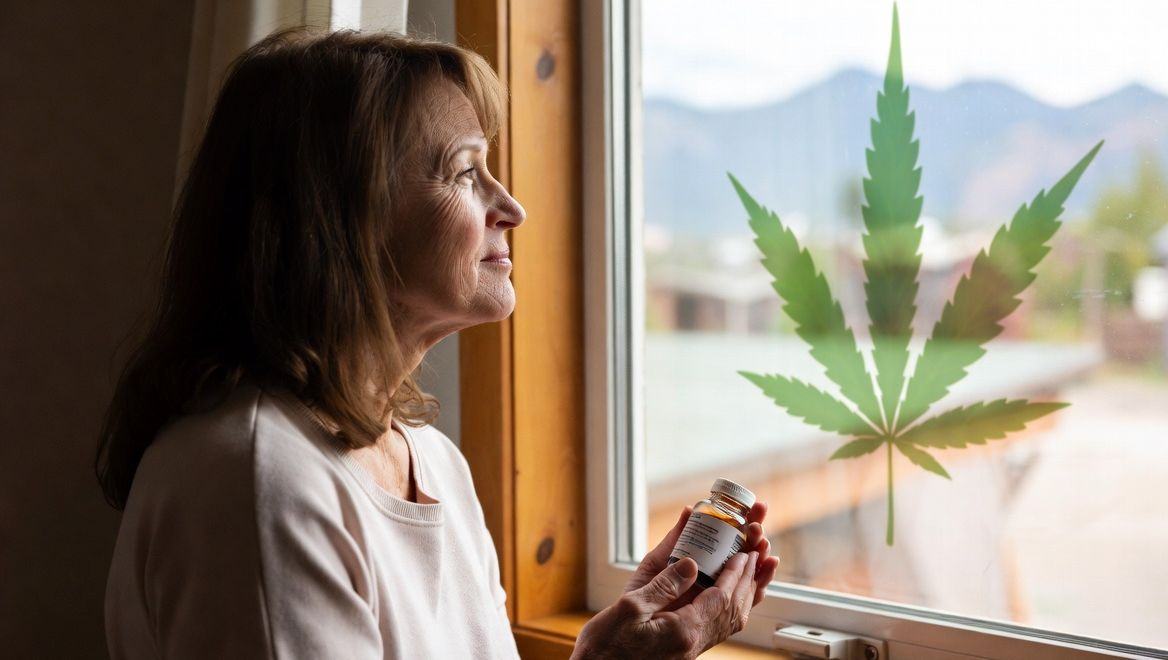
A high-stakes citizen campaign to bring medical cannabis to Idaho is facing uncertainty as election officials verify petitions for the Medical Cannabis Act. The Natural Medicine Alliance of Idaho delivered more than 150,000 signatures by the May 1 deadline, but procedural issues, including signatures arriving late, threaten to derail qualification for the November 2026 ballot.
Under current state law, cannabis in Idaho is illegal in all forms. There is no medical marijuana program, leaving patients with serious conditions to navigate limited options. The proposed Medical Cannabis Act aims to change that by establishing a regulated system for patients with qualifying diagnoses.
The measure would allow individuals diagnosed by a healthcare provider with substantial health conditions, such as cancer, chronic pain, PTSD, epilepsy, multiple sclerosis, and terminal illnesses, to obtain a medical cannabis card. Licensed businesses would produce and distribute products under strict state oversight, with limits on possession, age requirements, and background checks for operators.
The Natural Medicine Alliance of Idaho drove the effort, mobilizing paid gatherers and volunteers across the state. They announced collecting well over the required 70,725 valid signatures, submitting batches from every county. Yet not all signatures may count. In rural Minidoka County, roughly 900 petitions delivered minutes after closing time were ruled invalid by a judge, despite arguments from the alliance that the office remained accessible.
The alliance had been encouraged by the Secretary of State’s office to submit earlier to avoid last-minute rushes that strain local clerks during primary season.
Alliance representatives remain optimistic. Spokesperson Amanda Watson noted they exceeded the threshold significantly and expressed confidence in clearing both statewide and legislative district requirements. Still, final validation rests with county clerks and the Secretary of State.
Polls consistently show majority support among Idaho voters for medical cannabis legalization. Advocates highlight potential benefits including patient access to natural relief, support for agriculture, and new tax revenue. They argue the program offers a compassionate alternative to opioids for many suffering from debilitating conditions.
The campaign comes amid broader tensions. Some lawmakers oppose the initiative, citing public safety concerns, and a separate measure could restrict future citizen initiatives on cannabis and related substances. Idaho has rejected similar efforts for years, remaining one of the few states without any form of legalization.
The Natural Medicine Alliance, formed by patients and families impacted by chronic illness, frames the Medical Cannabis Act as a practical first step toward compassionate care. If it qualifies, voters will decide whether Idaho joins 40 other states with medical programs.