Massachusetts Could End Recreational Marijuana Sales if Vote Passes
Last Updated
Activists say they have gathered enough signatures to place a ballot question that would end the commercial sale of recreational marijuana.
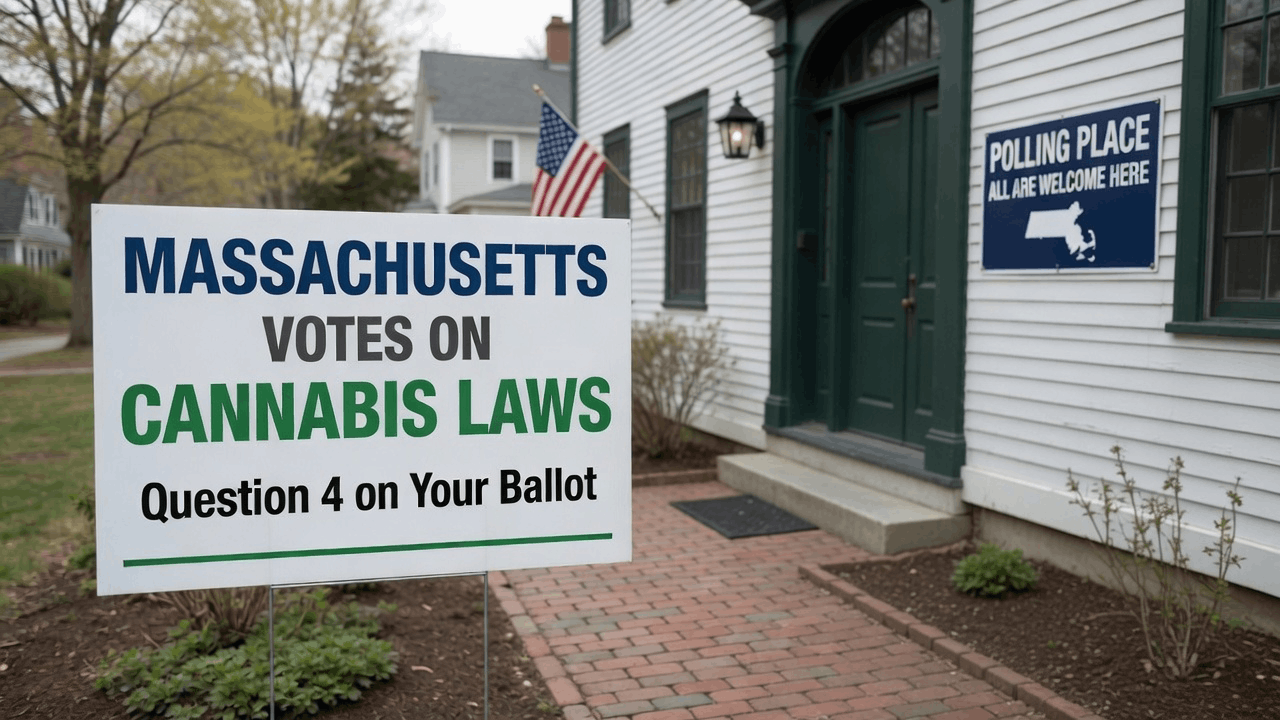
A ballot question that would eliminate licensed sales of recreational marijuana is moving toward the November ballot in Massachusetts. If voters approve it, the state would become the first to end a regulated recreational cannabis sales system through a citizen initiative after the program had already been operating for years. Organizers say the new rules would take effect on January 1, 2028.
The measure is sponsored by the Coalition for a Healthy Massachusetts. It would remove the legal framework that allows stores to sell marijuana for non-medical purposes and would also end home cultivation for recreational use. Adults 21 and older would still be allowed to possess small amounts for personal use without criminal penalties. The existing medical marijuana program would remain in place, and current recreational businesses would have a process to shift toward medical-only operations or transfer their inventory.
Massachusetts voters first approved recreational marijuana in 2016. Retail sales began in 2018 after the state created licensing rules, testing requirements and a regulatory commission. State data show the adult-use market has since grown into a substantial economic sector, generating more than $1.6 billion in annual sales while supporting employment across cultivation, retail, transportation and compliance roles. Tax collections from these sales contribute to state and local budgets.
The Coalition for a Healthy Massachusetts argues that ending commercial recreational sales would reduce the influence of for-profit companies and address ongoing concerns about youth exposure and product safety. The group has pointed to continued presence of unregulated products and questions about whether the current system has fully delivered on promised public health protections.
In response, a separate campaign called Stop the Repeal formed in June to urge voters to reject the proposal. It has backing from cannabis business operators and some healthcare professionals. The group contends that removing the regulated market would eliminate jobs, cut tax revenue used for schools and community services, and shift activity back to unregulated channels that lack testing or age controls. They describe the current framework as providing oversight that prohibition never achieved.
The ballot question has already cleared major procedural steps. After organizers submitted the required signatures in two rounds, the Massachusetts Supreme Judicial Court rejected legal challenges in June, clearing one path forward. A final round of signature verification is still due in early July before the measure is fully certified for the November 3 ballot.
If the proposal passes, licensed recreational sales would stop at the beginning of 2028. Dispensaries would need to adapt their operations, and the state would lose the tax stream and regulatory structure built over the past decade. The outcome would also create a new reference point for other states that have established similar programs, since no state has previously reversed recreational sales through a ballot measure once they were underway.
Both campaigns are expected to spend heavily in the months ahead. The Coalition for a Healthy Massachusetts will likely focus on health and youth protection themes. Stop the Repeal will emphasize economic impacts and the value of a controlled, taxed market. Massachusetts residents will ultimately decide the question when they vote in November.