Major Step Forward: Nebraska Attorney General Approves State Medical Cannabis Rules
Last Updated
Nebraska moved closer to launching a regulated medical cannabis program after Attorney General Mike Hilgers approved the constitutionality of new rules.
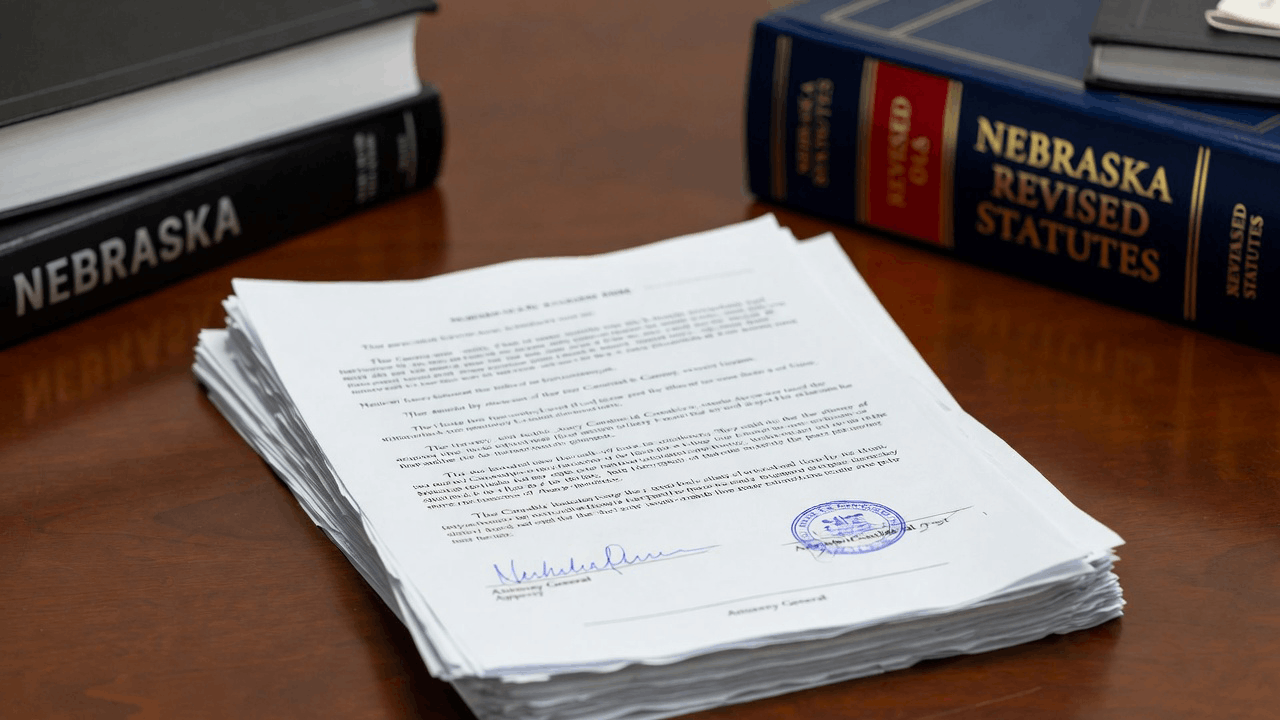
LINCOLN, Neb. — Attorney General Mike Hilgers has completed his review of proposed medical cannabis regulations and determined they meet basic legal standards under both state and federal constitutions. His assessment removes a significant procedural barrier in Nebraska’s effort to create a regulated system for patients.
Hilgers stated in his formal review that the medical cannabis regulations do not clearly violate the state or federal Constitutions on their face. The review focused on whether the rules stay within the authority granted by state law rather than on broader policy questions.
The regulations originated with the Nebraska Medical Cannabis Commission, the body tasked with overseeing the program’s structure and operations. With the attorney general’s review complete, the rules now move to Governor Jim Pillen for final consideration. Pillen has until July 11 to approve them before current temporary measures expire.
The framework includes several practical limits that will shape how the program functions if fully implemented. One requirement calls for building a directory of recommending health care practitioners. Patients would need guidance from a provider listed in that directory to obtain products through licensed channels. This step is meant to keep medical recommendations connected to licensed professionals.
Purchase quantities would also be restricted. The rules set a maximum of five ounces of medical cannabis that any patient could acquire in a 30-day period. Regulators designed the limit to support legitimate medical use while reducing risks of excess supply moving outside the program.
Product rules are notably narrow. Dispensaries would not be permitted to sell items intended for smoking or vaping. Edible products would also be prohibited. The approved formats would focus instead on specific non-combustible and non-food options, such as certain tablets or topical preparations. Officials say these choices prioritize controlled dosing and safety.
The number of retail outlets would be capped at 12 locations statewide. This geographic limit aims to create an orderly rollout rather than rapid expansion. Cultivation would face its own boundaries as well. Individual growers could maintain no more than 1,250 plants at any given time. Together these caps are intended to match supply with anticipated patient demand in the early stages.
Nebraska voters approved medical cannabis access through ballot measures in November 2024 with strong support. Since then, legal disputes and questions about regulatory details have delayed the start of a working program. The current rules represent the commission’s effort to translate voter intent into a functioning system with clear guardrails.
Supporters of the program see the attorney general’s review as meaningful forward movement for people living with qualifying medical conditions. At the same time, some patient advocates note that the strict limits on products, retail locations, and plant counts could slow access, particularly in less populated parts of the state. Building the practitioner directory may also take time depending on how many providers choose to participate.
If Governor Pillen approves the regulations, they would take effect after filing with the Secretary of State. The commission could then continue licensing cultivators, manufacturers, and dispensaries under a permanent set of standards. The overall approach reflects a cautious path chosen after years of debate over how best to implement voter-approved medical cannabis access in Nebraska.
For patients and their families, the attorney general’s determination offers the most concrete sign yet that a legal, regulated option may soon exist. The next several days will show whether the governor accepts the framework and allows the program to advance from planning into operation.