Hemp Ban Set to Take Effect: What It Means for the Industry After November 12
Last Updated
Republican members of Congress push back on Hemp ban set to take effect on November 12.
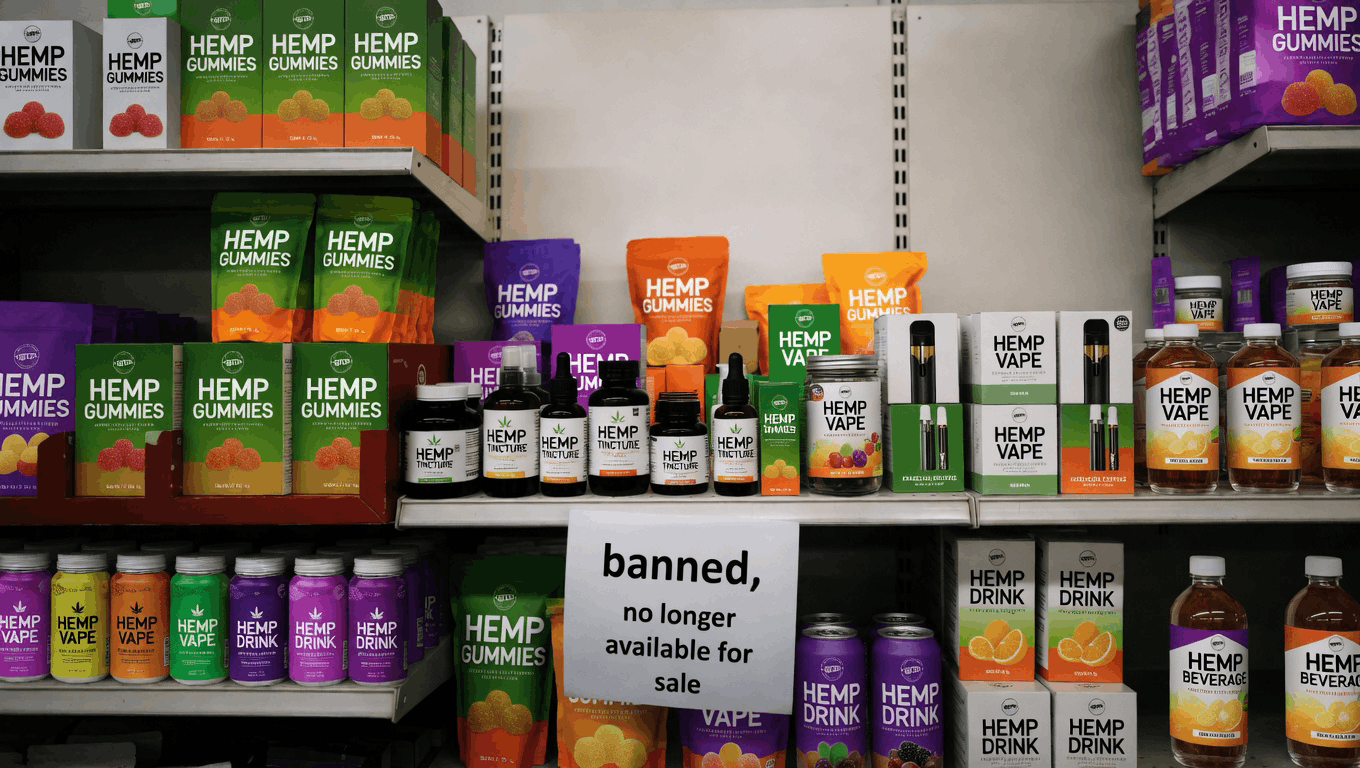
WASHINGTON — A major federal change to the definition of hemp is scheduled to take effect on Nov. 12, 2026, and it is expected to send shock waves through the multibillion-dollar industry built around hemp-derived products.
The update redefines hemp under federal law. Starting in November, legal hemp will be limited to plants containing no more than 0.3% total THC by weight, including THCA. Finished consumer products, such as gummies, vapes and edibles, will be restricted to no more than 0.4 milligrams of total THC per container.
The stricter rules will bring many popular intoxicating hemp products under the same rules as marijuana. The new definition covers a wider range of compounds, including Delta-9 THC, Delta-8 THC, THCA and other THC isomers and analogs. Products exceeding the new limits could be reclassified as illegal controlled substances.
Industry officials say the change will disrupt businesses that have relied on hemp-derived cannabinoids since the 2018 Farm Bill created a legal pathway for them. Thousands of jobs and a large segment of the market for these products could be affected.
The policy aims to close what supporters call a loophole that allowed intoxicating products to be sold openly, even in states where recreational marijuana remains illegal. Critics of the current market argue the products have been marketed with little oversight, especially to younger consumers.
Lawmakers from both parties have raised concerns about how quickly the rules will take hold and what they will mean for farmers, processors and retailers. Hemp grown strictly for fiber, seeds or non-cannabinoid uses is expected to face less impact if it meets the new THC threshold.
In recent weeks, three Republican members of Congress filed separate amendments to delay or prevent the stricter limits from taking effect. The proposals range from a full delay to changes that would create a regulated market with labeling requirements and taxes.
The amendments come as Congress continues work on agriculture legislation. For now, the Nov. 12 deadline stands unless lawmakers act.
Business owners in the hemp space say they are preparing for major adjustments. Some are reformulating products to meet the new standards, while others worry they may have to shut down entire product lines.
The Food and Drug Administration is expected to provide more guidance on enforcement and exact definitions in the coming months. How individual states respond to the federal change will also play a big role in what the market looks like after November.
The upcoming shift marks one of the most significant federal interventions in the hemp industry since it was legalized eight years ago. Industry leaders will be watching closely to see whether Congress steps in before the new rules go into effect.