Flying with Cannabis in 2026: What TSA’s Policy Shift Means for Medical vs. Recreational Use
Last Updated
The rules around flying with cannabis have become somewhat clearer for medical patients following the April update.
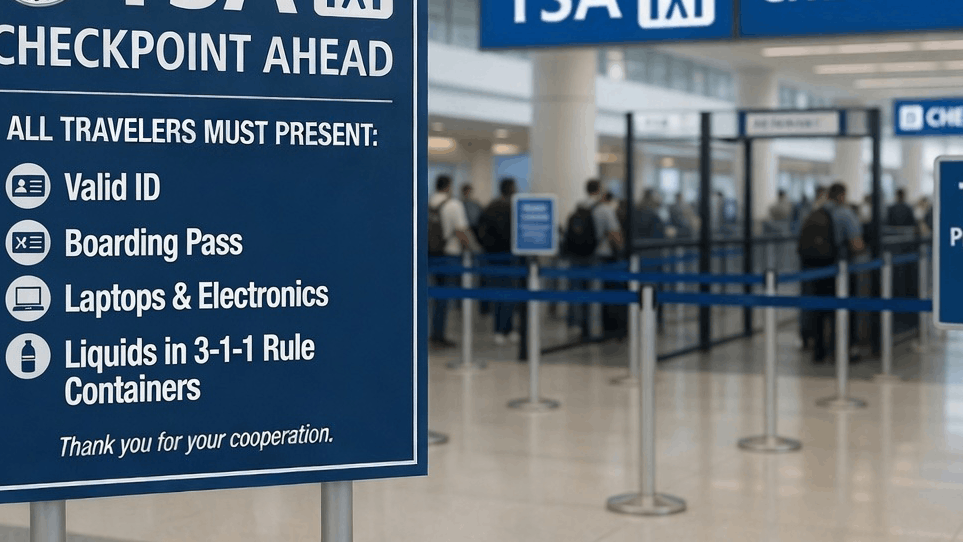
On April 27, 2026, the Transportation Security Administration updated its official guidance to list medical marijuana as allowed in both carry-on bags and checked luggage. The change provides clearer direction for patients who use cannabis as medicine, yet it leaves several important limits in place and does not apply the same treatment to recreational marijuana.
TSA officers focus their screening on aviation security threats rather than illegal drugs. According to the agency’s current policy, officers do not search passengers specifically for marijuana or other substances. If something appears during routine screening that may violate federal law, officers are required to refer the matter to law enforcement. This practice has not changed with the recent update.
The revised guidance now shows medical marijuana with a “Yes” status for both carry-on and checked bags, along with a note about special instructions. Those instructions currently contain no additional details. The final decision on whether any item is permitted through the checkpoint rests with the individual TSA officer on duty.
This update applies specifically to medical marijuana. Recreational cannabis remains subject to stricter federal restrictions. While officers generally do not look for recreational products, discovery can still lead to legal consequences because marijuana stays illegal under federal law outside of approved medical channels. The distinction matters for travelers who must decide how to prepare for a flight.
State laws create additional complexity. Cannabis regulations differ from state to state, and what is legal in one place may not be legal in another. Travelers should check the current rules in both their departure state and their destination state before packing any cannabis products. Federal airport security rules apply at checkpoints, but state or local authorities at the final destination may still take action.
Airlines also maintain their own policies. Even if an item clears TSA screening, the airline may prohibit it. Most major carriers ban the possession or use of marijuana on board, including in some checked bags. Passengers are advised to review their specific airline’s rules and to avoid consuming any cannabis products during the flight itself.
Medical users can prepare more effectively by carrying valid state-issued documentation and keeping products in their original packaging. Arriving with extra time allows for possible additional screening. Hemp-derived products that contain no more than 0.3 percent delta-9 THC generally face fewer restrictions because they fall under separate federal hemp regulations.
The rules around flying with cannabis have become somewhat clearer for medical patients following the April update. For recreational users, the risks remain higher due to ongoing federal restrictions. Travelers can reduce uncertainty by checking the latest TSA guidance, confirming state laws at both ends of their trip, and reviewing their airline’s specific policies before they head to the airport.