DEA Registration and the Future of Oklahoma Cannabis
Last Updated
For Oklahoma’s medical cannabis companies, a new era of compliance has arrived.
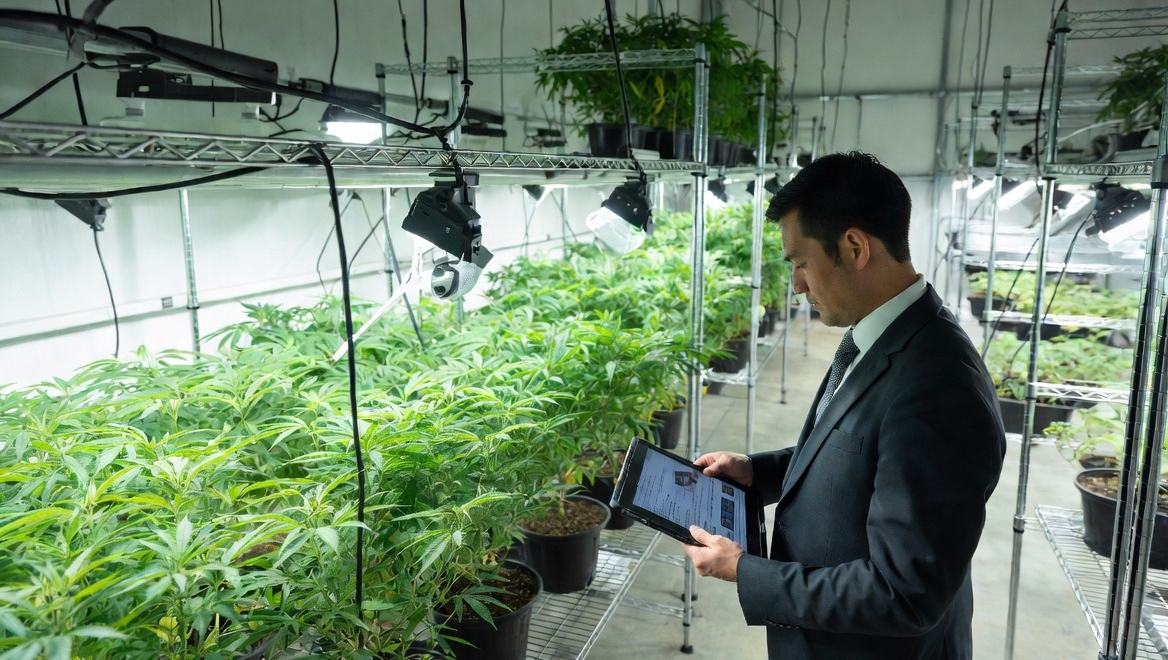
Oklahoma City has long stood at the forefront of America's state level experiment with medical marijuana. Now, the state's cannabis companies face a fresh layer of federal oversight that could reshape how they operate.
The Oklahoma State Bureau of Narcotics and Dangerous Drugs Control, known as OBNDD, recently told medical cannabis manufacturers and distributors that they must register with the U.S. Drug Enforcement Administration. This new rule comes after federal officials moved certain marijuana products to Schedule III under the Controlled Substances Act. The change aims to bring some alignment between state programs and national drug policy.
The requirement feels significant because Oklahoma has built one of the most open medical cannabis systems in the country. For years, businesses here have worked mostly under state rules. Now they need to navigate federal registration too. OBNDD made the announcement clear in early May. Licensees must obtain the proper DEA registration to stay in good standing with state authorities.
The good news for operators is that they have breathing room. State officials said they will not take enforcement actions against companies that lack the registration until January 1, 2027. That gives businesses several months to sort through the paperwork and get their applications in order.
Still, the consequences of inaction are real. If companies fail to register, they could face administrative sanctions from OBNDD. That might include fines or even the loss of their state licenses. Officials compare it to rules already in place for other controlled substances. The message is straightforward: get compliant or risk your ability to do business.
The process itself involves submitting business details, proof of state licenses, and other standard information through the DEA's online system. The fee runs around eight hundred dollars. Companies that apply soon can keep operating while they wait for approval, which often takes up to six months.
This development puts Oklahoma in an interesting position. It appears to be one of the first states to directly link state cannabis permits to federal DEA registration. Many in the industry see it as a practical step. It helps bridge the gap between legal state markets and evolving federal rules without immediately shutting down operations or hurting patient access.
At the same time, the shift highlights how complicated the cannabis world remains. Even as more states embrace medical marijuana, federal policy moves at its own pace. Oklahoma's approach tries to respect both levels of government while keeping the industry stable.
For business owners, the advice from regulators is simple. Act now, consult experts if needed, and make sure your paperwork is ready. The deadline may feel far away, but building compliance takes time. As the industry continues to mature, moments like this remind everyone that growth often comes with new responsibilities.
This latest move could influence how other states handle their own programs. For now, Oklahoma's medical cannabis sector has time to adapt, but the direction is set. The coming months will show how smoothly businesses can make the transition.