Attorneys General Launch Legal Fight Against Cannabis Reclassification
Last Updated
Lawsuits filed by three Attorneys General challenging the reclassification of marijuana by the Trump Administration.
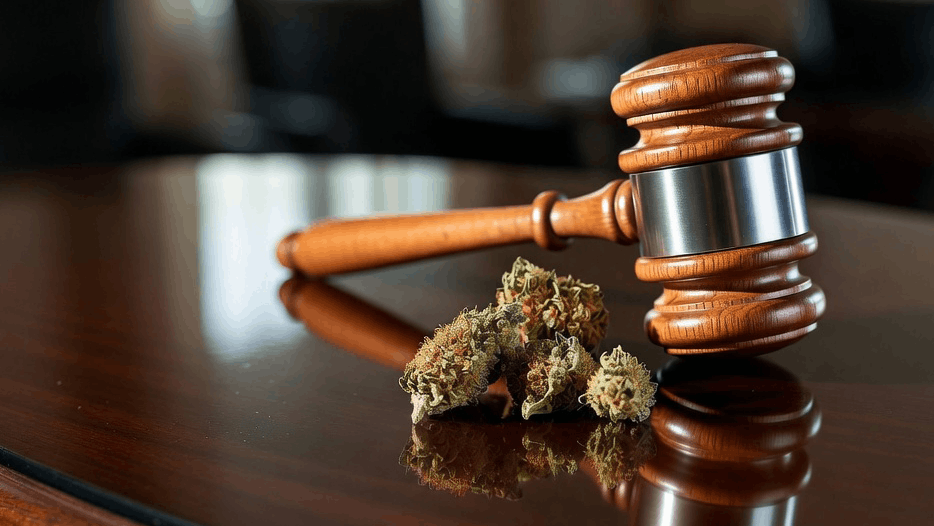
WASHINGTON — Attorneys general from three states filed a federal lawsuit challenging the Trump administration’s decision to reclassify marijuana, arguing the move violates federal law and should be overturned.
Indiana, Nebraska and Louisiana filed the legal challenge in the U.S. Court of Appeals for the District of Columbia Circuit. The states contend that the Drug Enforcement Administration’s plan to move cannabis from Schedule I to Schedule III under the Controlled Substances Act does not meet the requirements set by federal law.
The attorneys general say the action fails to follow requirements of the Administrative Procedure Act, and was improperly promulgated and otherwise procedurally improper. They are asking the court to throw out the reclassification ruling entirely.
This new lawsuit comes shortly after a separate suit was filed by two national organizations opposed to marijuana legalization: Smart Approaches to Marijuana and the National Drug and Alcohol Screening Association. Court officials have said the two cases will be combined and heard together.
The challenge reflects growing pushback from some states against the federal government’s shifting stance on cannabis. For decades, marijuana has been listed as a Schedule I drug, alongside substances like heroin and LSD, meaning the government considered it to have a high potential for abuse and no accepted medical use.
Under the proposed change to Schedule III, federal regulators would acknowledge marijuana’s accepted medical uses and lower its abuse potential compared to drugs in higher schedules. The move would not legalize recreational marijuana nationwide, but it could ease tax burdens for cannabis businesses and open new avenues for research.
Supporters of rescheduling say the current classification is outdated and ignores scientific evidence showing medical benefits for certain conditions. Critics, including the three states involved in the latest lawsuit, argue the process has been rushed and ignores broader public health concerns.
The Indiana, Nebraska and Louisiana attorneys general stated in their filing that the DEA did not adequately consider the drug’s widespread availability and the risks associated with its use, particularly among young people. They also raised questions about whether the reclassification aligns with existing federal requirements for scheduling decisions.
Legal experts following the issue say the consolidated lawsuits could delay or even block the rescheduling from taking full effect. A final decision on the reclassification had been expected later this year, but the legal challenges may push that timeline back.
The outcome of the combined cases could have major implications for both state cannabis programs and federal policy. If the court sides with the challengers, marijuana would remain in Schedule I. A ruling in favor of the government would allow the rescheduling to proceed, potentially reshaping how cannabis is regulated and taxed at the federal level.
The lawsuits are among the most significant legal challenges to federal cannabis policy in recent years.