After 2016 Legalization, Massachusetts Weighs Rolling Back Recreational Marijuana
Last Updated
Following a favorable Massachusetts Supreme Judicial Court ruling, voters will face a November 2026 decision on whether to repeal key elements of the state’s adult-use cannabis legalization.
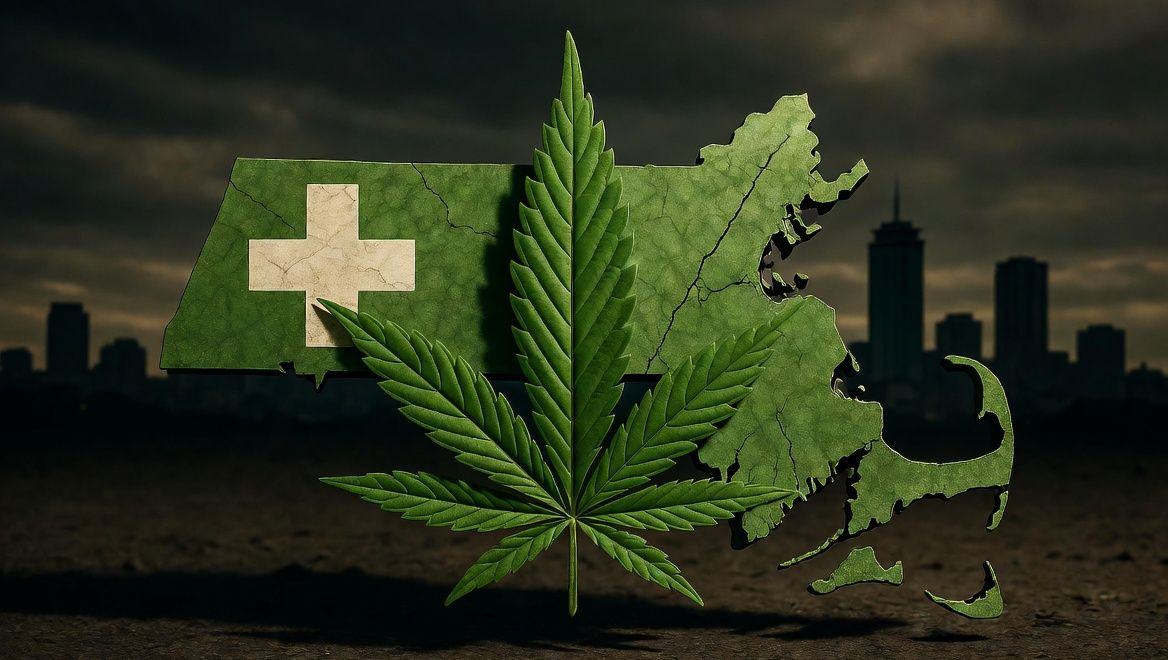
BOSTON — Nearly a decade after Massachusetts voters ushered in one of the East Coast’s first adult-use cannabis programs, the state’s $1.6 billion recreational market is fighting for survival. A controversial citizen initiative certified for the November 2026 ballot aims to shutter regulated recreational sales while leaving the medical marijuana program untouched.
Voters approved Question 4 in 2016 with a 54% majority, legalizing adult-use possession, cultivation, and commercial sales. The first licensed dispensaries opened in November 2018, sparking rapid industry growth across the Commonwealth. Since then, the adult-use sector has generated billions in total sales, created thousands of jobs, and delivered substantial tax revenue to cities and towns under the oversight of the Cannabis Control Commission.
Now, the Coalition for a Healthy Massachusetts is pushing “An Act to Restore a Sensible Marijuana Policy.” If passed, the measure would repeal the core statutes enabling recreational sales, home cultivation, and associated taxation. Adults 21 and older would retain the ability to possess limited amounts of cannabis (one ounce), but the regulated marketplace, including dozens of retail locations, cultivators, processors, and ancillary businesses would effectively be dismantled.
Medical cannabis operations, established in 2012, would remain fully intact, providing continuity for patients. This carve-out has drawn mixed reactions from industry stakeholders who view it as a partial victory but warn that fragmenting the market could create operational and supply chain complications.
The initiative cleared a major legal obstacle on June 12 when the Massachusetts Supreme Judicial Court upheld Attorney General Joy Campbell’s certification, rejecting challenges from cannabis businesses that argued the petition was too broad. With the path cleared, the question is now positioned to go before voters on November 3, 2026.
Polling data suggests the repeal effort faces an uphill battle. A significant portion of the same voters who backed legalization in 2016 now oppose rolling back adult-use laws, citing economic benefits, reduced black-market activity, and successful regulation. Industry advocates, including groups like NORML, are mobilizing under a “Vote No” banner, emphasizing job losses and the risk of consumers returning to unregulated sources.
For cannabis operators in Massachusetts, the stakes are high. Licensees have invested heavily in compliance, facility builds, and community partnerships under the assumption of long-term stability. A successful repeal could trigger widespread closures, valuation drops, and a ripple effect on ancillary service providers, from packaging firms to testing labs.
“This isn’t just about one state,” one Massachusetts cultivator told industry insiders. “It’s a warning shot for every legal market navigating shifting political winds.”
As the campaign heats up, the Massachusetts cannabis industry is expected to lean on data showcasing public safety, tax contributions, and responsible stewardship to sway voters. The outcome in November will test whether the pioneering spirit of 2016 endures or if the adult-use sector becomes another chapter in the state’s complex cannabis history.