
From Gold Leaf to Marlboro Red: Racing’s Tobacco Age
How tobacco branding powered an era of speed, color, and controversy
Long before carbon-fiber wings, hybrid power units, and data engineers defined the paddock, motorsport entered its modern commercial age through cigarette smoke. From the late 1960s onward, tobacco companies became some of racing’s most influential backers, reshaping not only how teams were funded, but how cars looked, how drivers were marketed, and how the sport reached a global audience. For nearly four decades, tobacco branding and motorsport were visually and financially inseparable.
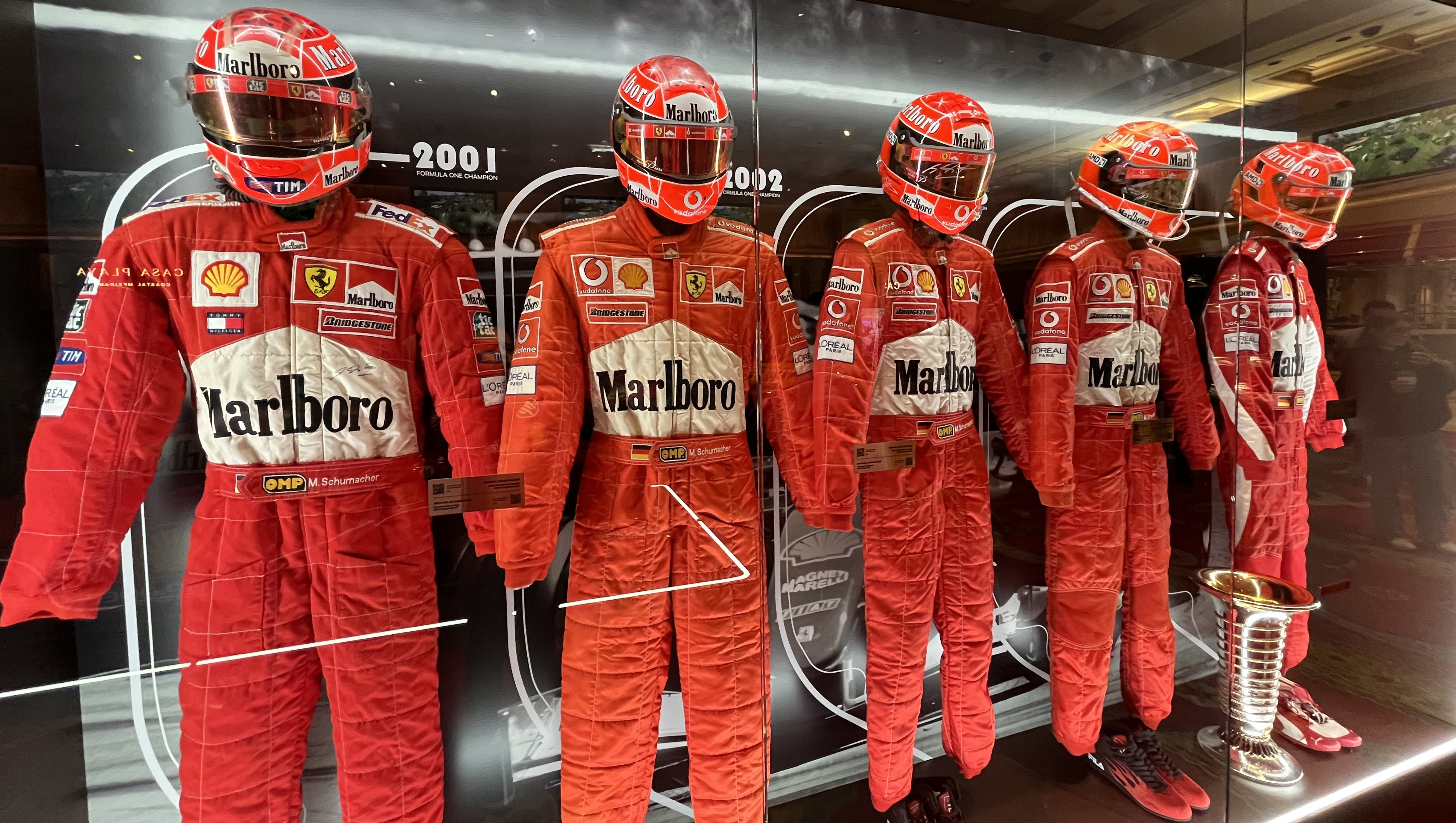
The transformation began in 1968 when Gold Leaf sponsored Team Lotus in Formula One. It marked the first time a car abandoned traditional national racing colors in favor of a full commercial livery. That single decision rewrote the sport’s visual language. Soon, cigarette brands were no longer just sponsors—they were identities. John Player Special turned Lotus black and gold into an icon of the 1970s, while Marlboro established its red-and-white scheme with McLaren and later Ferrari, producing imagery so enduring it remains embedded in racing culture today.
Tobacco companies quickly recognized motorsport’s unique value. Races delivered hours of uninterrupted television coverage, repeated camera angles, and global reach across jurisdictions with uneven advertising laws. As restrictions tightened on television, radio, and print cigarette advertising, sponsorship provided an alternative route to brand visibility. Research later characterized motorsport backing as a form of indirect advertising—maintaining brand recognition without running traditional ads.
Formula One was the centerpiece, but the strategy extended far beyond it. In endurance racing, Rothmans Porsche defined the Group C era with the 956 and 962. Rallying saw Marlboro, Gauloises, and 555 dominate liveries on Lancia, Peugeot, and Subaru cars. Touring car championships across Europe and Australia featured Benson & Hedges, West, and Winfield branding. Motorcycle racing followed suit: Camel backed Yamaha, Lucky Strike became synonymous with Honda, and Marlboro appeared across multiple premier-class teams.
Color and design were central to the success. Tobacco companies invested heavily in visual consistency, knowing recognition often preceded literacy. Camel’s yellow and blue, JPS’s black and gold, Rothmans’ navy and white, and Gauloises’ deep blue weren’t just liveries—they were brand signatures that translated across posters, magazines, die-cast models, and paddock hospitality. Drivers became ambassadors by association. Ayrton Senna in Marlboro red, Nigel Mansell under Camel branding, and Mick Doohan during the height of tobacco-backed MotoGP all became part of a carefully cultivated image linking speed, control, and glamour.
By the 1990s, tobacco money underwrote a significant portion of top-level motorsport budgets. Some Formula One teams relied on cigarette sponsors for the majority of their funding, financing global calendars, private testing programs, and rising driver salaries. The commercial sophistication now taken for granted in motorsport—corporate hospitality, sponsor activations, and global brand partnerships—was largely refined during this era.
The turning point arrived with coordinated public health policy. The World Health Organization’s Framework Convention on Tobacco Control, adopted in 2003 and entering into force in 2005, called for comprehensive bans on tobacco advertising, promotion, and sponsorship. In Europe, the EU Tobacco Advertising Directive directly targeted motorsport, making it increasingly difficult to operate a global championship with consistent branding.
By 2006, Formula One formally banned tobacco advertising, effectively closing the most visible chapter of cigarette sponsorship in the sport. Other series followed, and familiar liveries disappeared almost overnight. The grid shifted toward technology firms, energy drinks, financial services, and consumer brands eager to occupy the space tobacco vacated.
Yet tobacco’s relationship with motorsport never fully vanished. In the late 2010s, companies such as Philip Morris International and British American Tobacco returned through corporate branding initiatives like Mission Winnow and A Better Tomorrow, reigniting debate over whether these campaigns constituted indirect promotion. While officially positioned as innovation or transformation messaging, their presence underscored how deeply embedded tobacco companies had become in racing’s commercial ecosystem.
The legacy endures most visibly in history. Vintage events, museums, and historic racing series still showcase Marlboro McLarens, JPS Lotuses, Rothmans Porsches, and Camel Yamahas—machines whose visual identities remain instantly recognizable decades later. So powerful is that imagery that regulators in some countries have issued guidance on when even historic liveries may fall foul of modern advertising laws.
Tobacco sponsorship helped build motorsport into a global spectacle, professionalizing teams and elevating presentation to a new level. While the logos are gone from contemporary grids, the blueprint remains. The modern sponsorship model—emotion-driven branding, global visibility, and cultural resonance—was perfected during racing’s tobacco era, leaving an influence that still shapes the sport today.